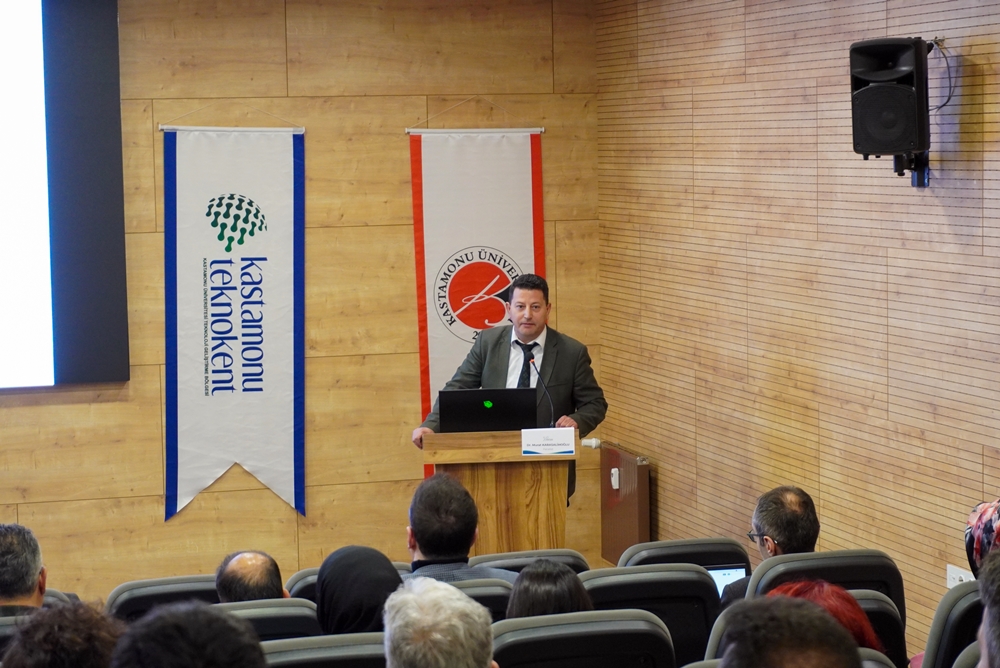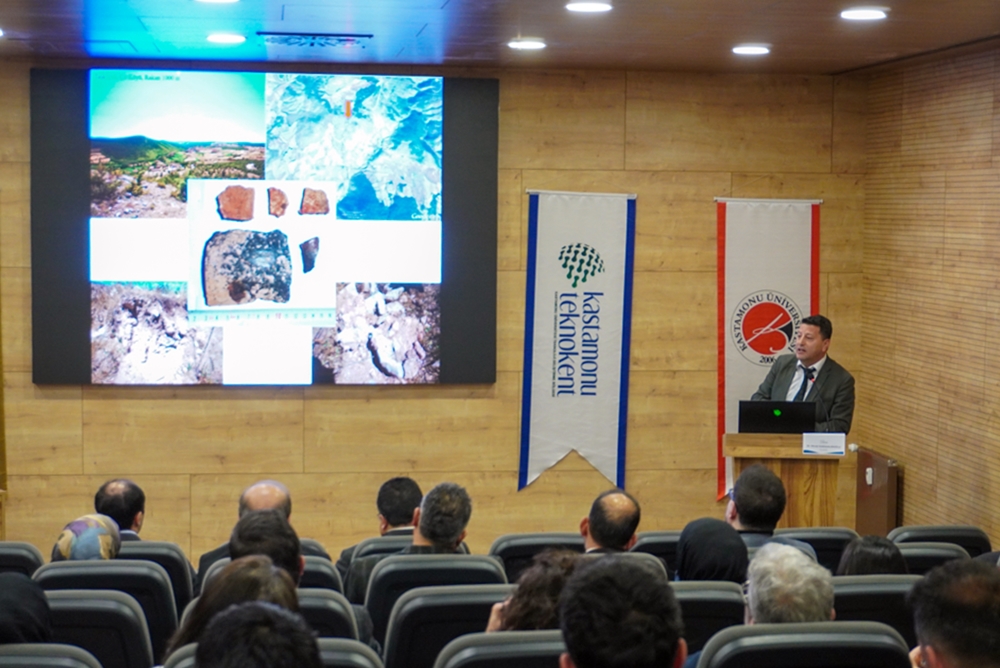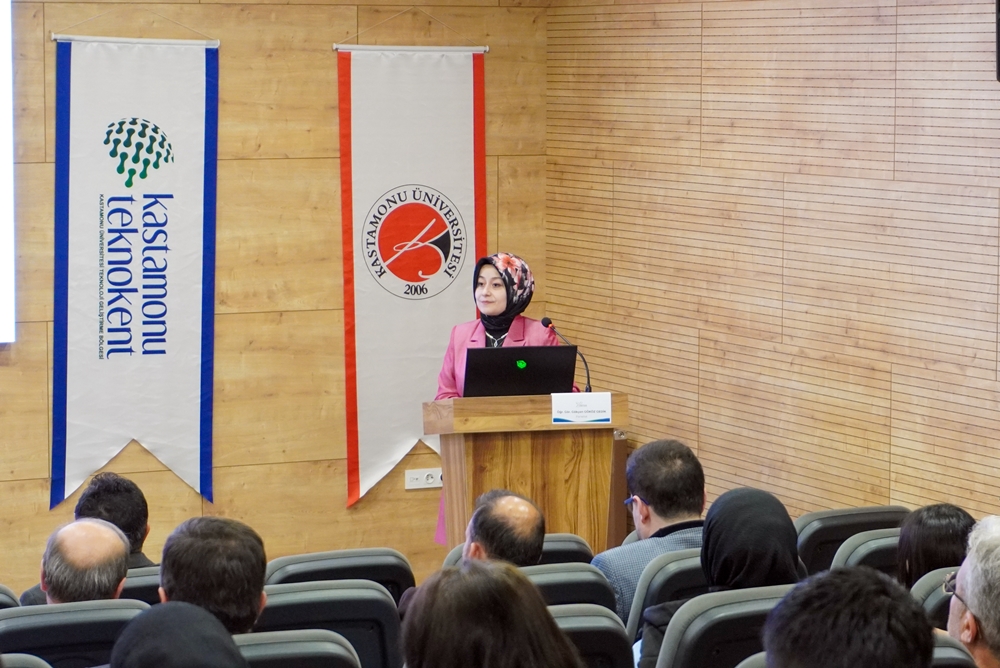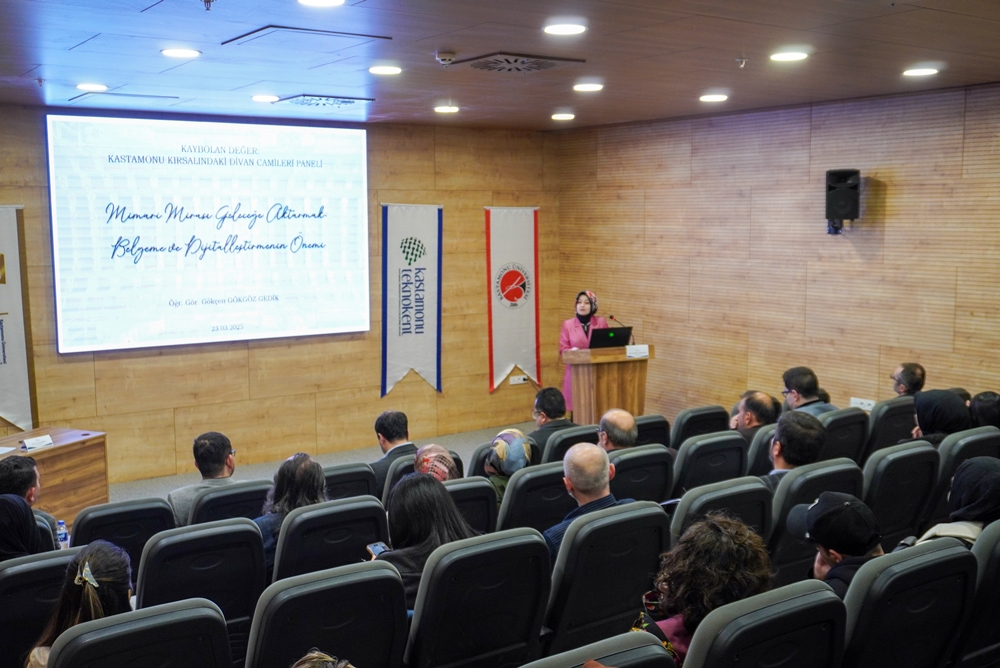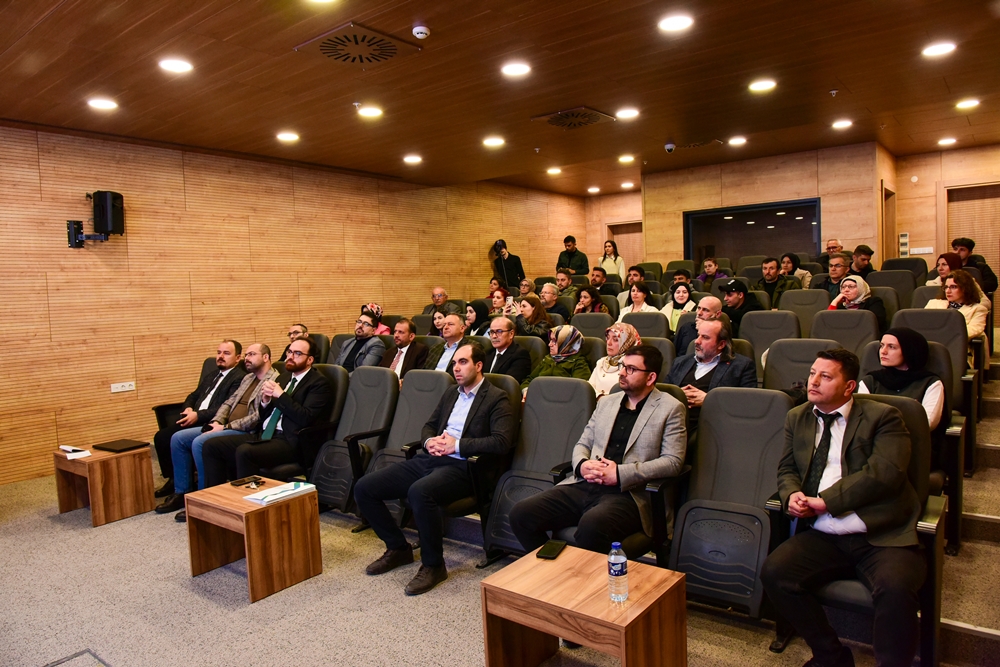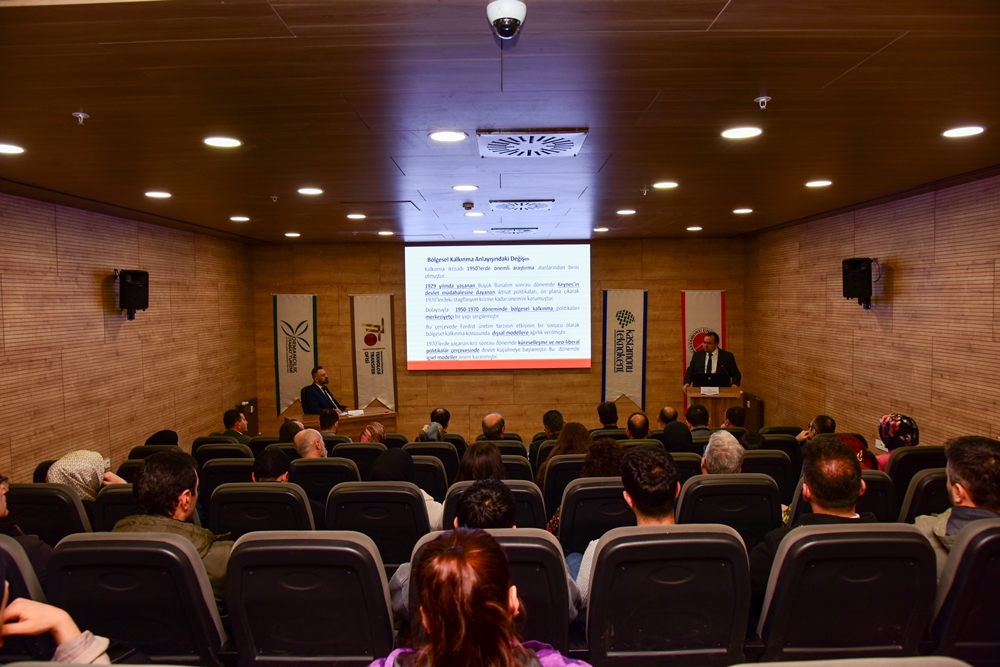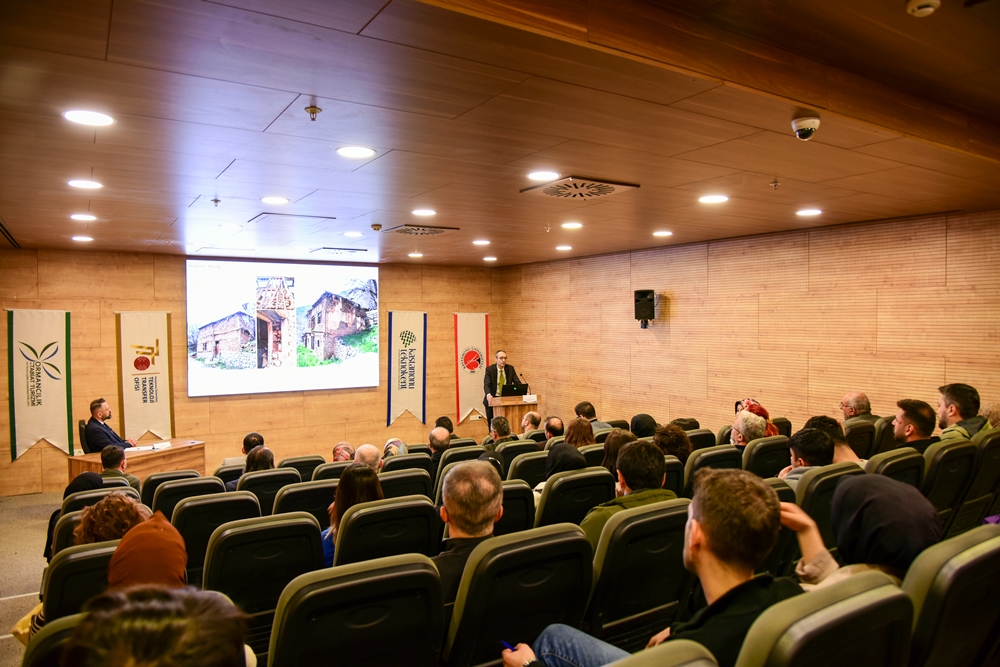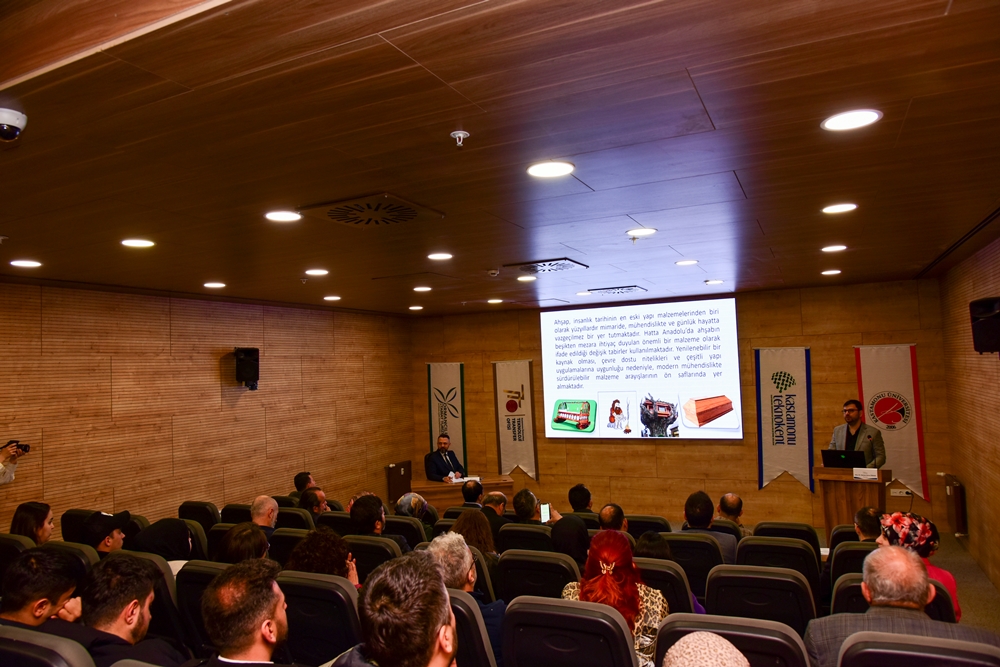
Under the leadership of Kastamonu University’s Specialization Coordination Office for Forestry and Nature Tourism, and with the support of Kocaeli University, Kastamonu University Technology Transfer Office, and Kastamonu Technopark, a panel titled “Lost Heritage: Divan Mosques in the Rural Areas of Kastamonu” was held on March 24, 2025, at the Ilgaz Hall of Kastamonu Technopark.
Focusing on the preservation, restoration, and integration of divan mosques—structures of significant historical and cultural value—into tourism, the event brought together academics and researchers. Assoc moderated the panel: Prof. Dr. Emre Birinci, the Forestry and Nature Tourism Specialization Coordinator at Kastamonu University. Topics included the risks currently facing rural heritage and sustainable methods of conservation.
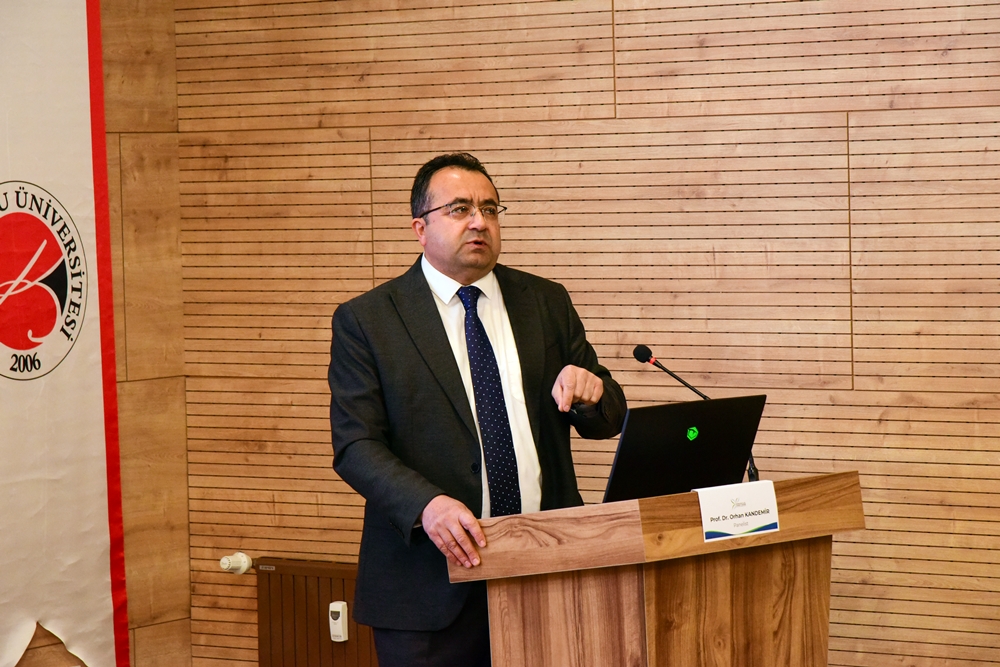
In his presentation titled “Rural Heritage and Tourism for Rural Development,” Prof. Dr. Orhan Kandemir(Kastamonu University) emphasized that protecting rural heritage contributes to cultural preservation and regional economic development. He highlighted the importance of assessing tourism potential correctly and involving the local community in the process.
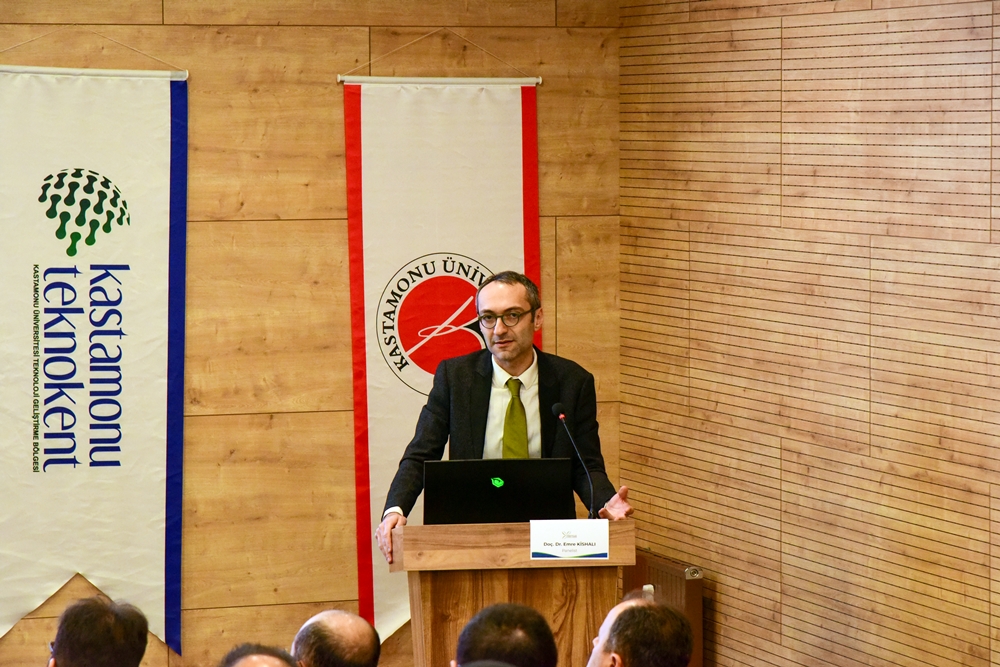
Assoc. Prof. Dr. Emre Kishalı (Kocaeli University), in his talk “The Future of Architectural Heritage: Rural Mosques, Values, and Participation,” explored the cultural identity value of historic rural mosques and evaluated the community's role in preserving this heritage. He also presented suggestions on how to restore traditional structures sustainably.
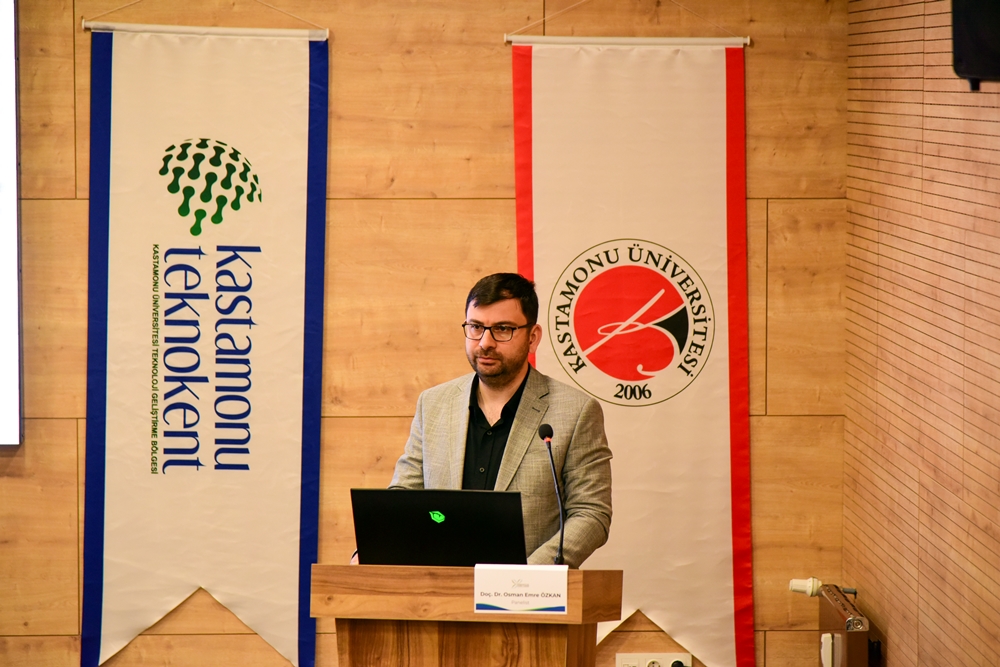
In his presentation titled “Preservation and Restoration of Historical Wooden Mosques,” Assoc. Prof. Dr. Osman Emre Özkan (Kastamonu University) discussed how to protect the unique character of wooden structures, the challenges faced during restoration processes, and scientific conservation methods. The durability of wooden mosques against climatic conditions was also addressed.
Dr. Murat Karasalihioğlu (Kastamonu City History Museum), in his talk “The Historical Process of Rural Settlements in Kastamonu,” focused on the historical development of rural architectural structures in Kastamonu and the socio-cultural importance of divan mosques to the local population. He also shared suggestions on identifying and documenting mosques at risk of disappearing.
In her presentation titled “Transmitting Architectural Heritage to the Future: The Importance of Documentation and Digitalization,” Lecturer Gökçen Gökgöz Gedik (Kastamonu University) explained how digital documentation processes contribute to restoration work. She highlighted the role of modern techniques such as 3D scanning, photogrammetry, and the creation of virtual archives in protecting cultural heritage.
The panel discussed the necessary steps for mosques, managing restoration processes using scientific methods for preserving ethics and evaluating rural heritage from a tourism perspective. The event concluded with a Q&A session and final evaluations.