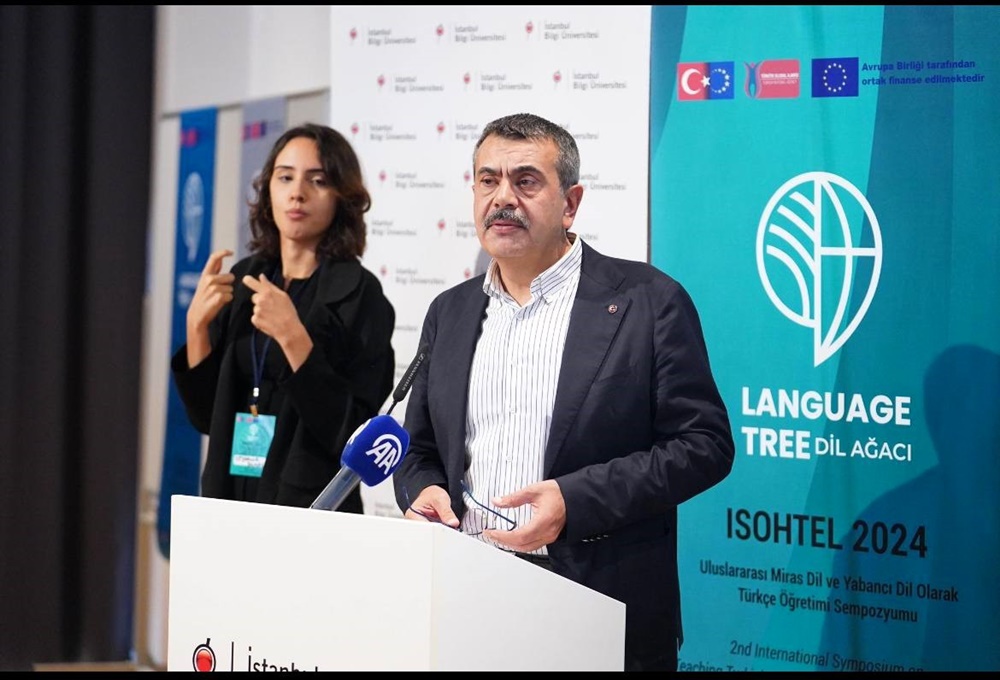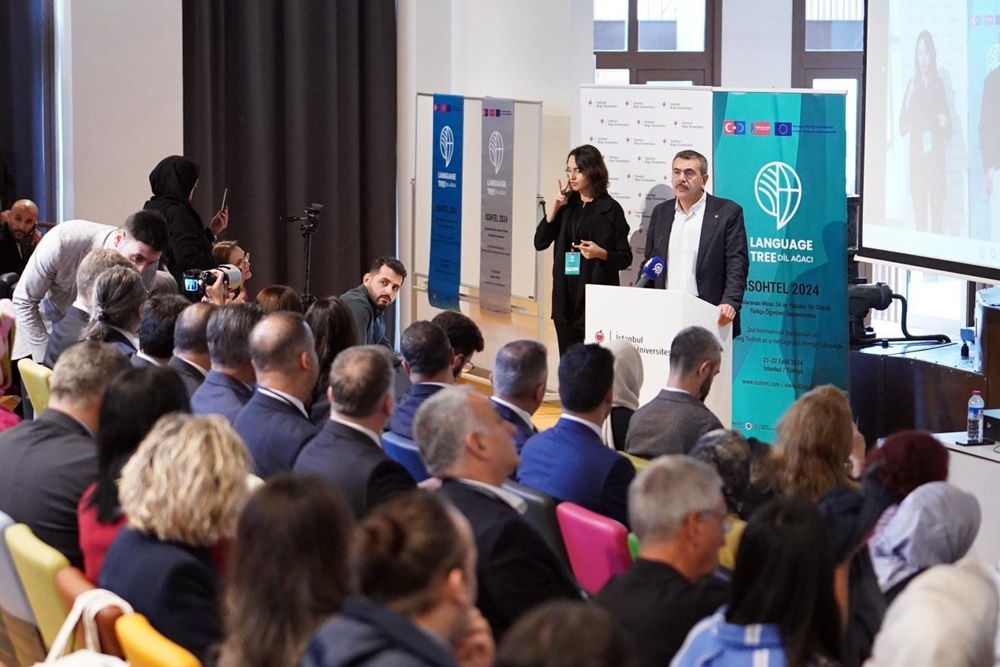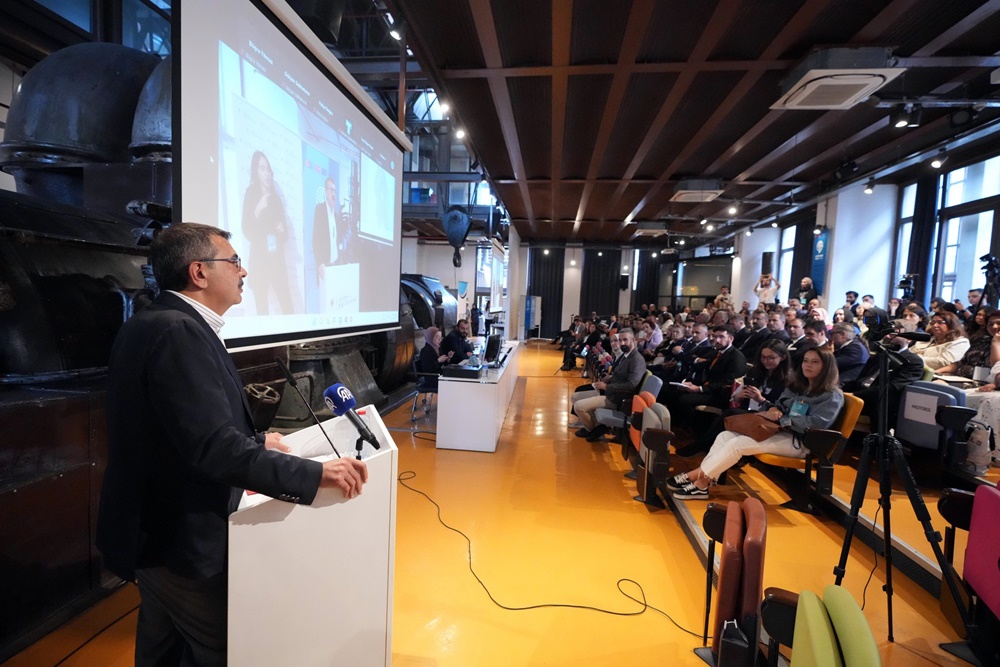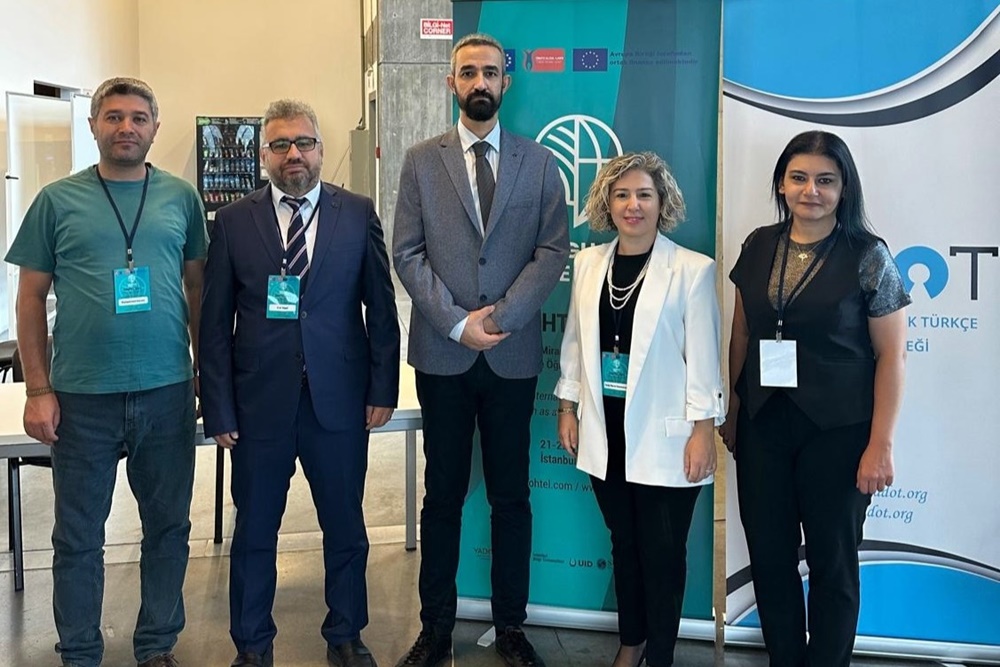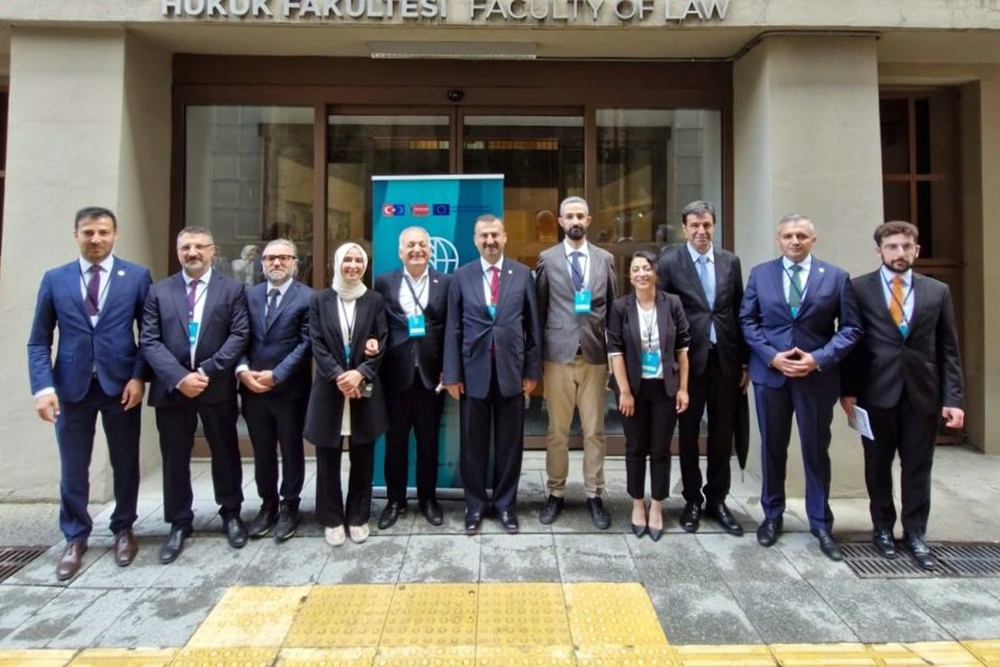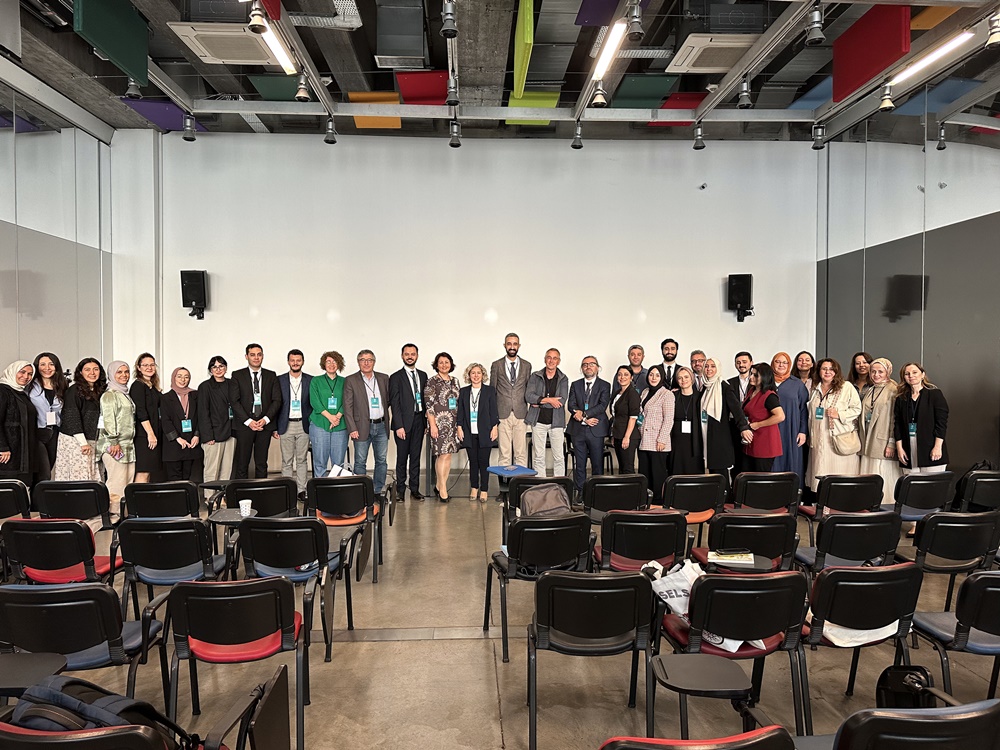
‘2nd International Symposium on Heritage Language and Teaching Turkish as a Foreign Language (ISOHTEL 2024)’ was held in Istanbul within the scope of the Language Tree Project supported by the Turkish National Agency and the European Union, of which Kastamonu University is the coordinating organization.
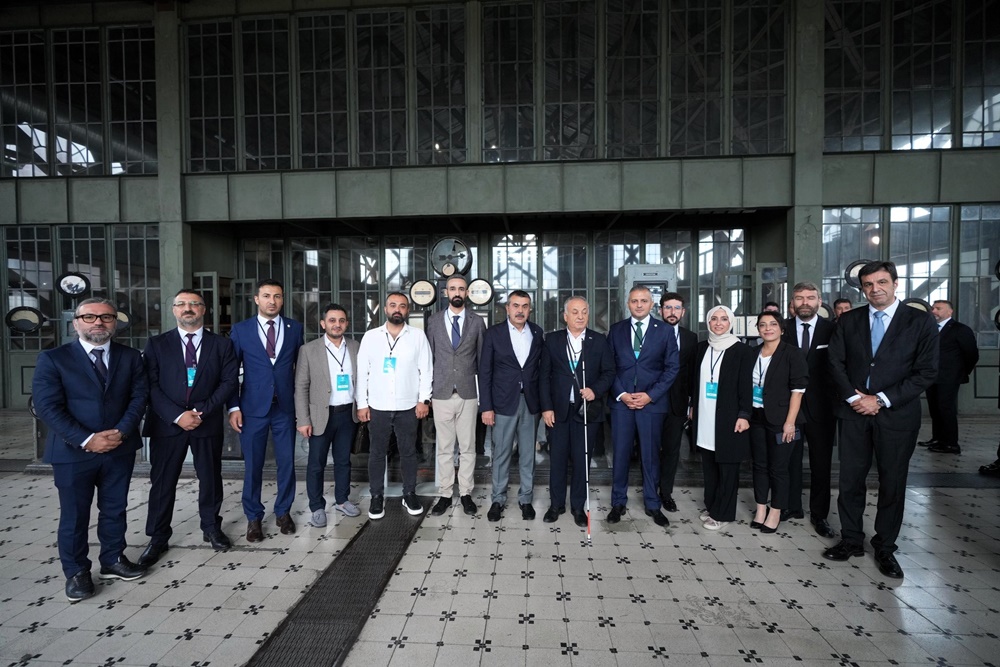
The symposium, hosted by YADOT Education Association, one of the project partners, was attended by Yusuf Tekin, Minister of National Education; Professor Doctor Cihad Demirli, Chairman of the Board of Education and Discipline of the Ministry of National Education; Associate Professor Doctor Harun Şahin, Vice President of the Turkish Language Association; Lokman Ayva, President of Beyazay Association of Turkey; M. Ege Yazgan, Rector of Istanbul Bilgi University; Kemal Can, Chairman of the Board of Trustees of Istanbul Bilgi University; Mehmet Can, Vice Chairman of the Board of Trustees; academicians and guests.
Atanur Memiş, Chairman of the Symposium Organising Committee, thanked those who contributed to the project and emphasized that the Language Tree Project is an important step in terms of teaching Turkish. He also stated that the symposium addressed efforts to spread Turkish across the world and that the event contributed to language research not only in Turkey but also in the international arena.
In his speech at the symposium, Minister of National Education Yusuf Tekin emphasized that Turkish is not just a subject and that the development of children's mother tongue skills is a fundamental responsibility.
Tekin stated that, as President Recep Tayyip Erdoğan emphasized, Turkish is an important link not only in Turkey's internal relations but also for the countries with which Turkey has ties of heart. Stating that the ties between the Turkic world will be further strengthened with the common alphabet studies, Tekin added that many programs are organized to improve the reading culture and strengthen the Turkish language skills of students. He also noted that efforts are underway to teach Turkish to Turkish children living abroad.
One of the invited speakers, Professor Doctor Cihad Demirli, Chairman of the Board of Education and Discipline, stated that the Turkish Century Education Model offers a skills and production-oriented education approach and aims to teach Turkish more effectively at national and international levels. Demirli stated that students will be evaluated on four basic skills (reading, writing, listening, speaking) and strategies are developed for the development of language skills at all levels.
At the symposium, important results obtained from the work packages carried out within the scope of the Language Tree Project were shared with the participants. Researchers involved in the project made presentations focussing on new approaches and solution proposals in Turkish language teaching.
A. N. Feyza Altınkamış presented ‘Needs Analysis: Views from the Field’, and she elaborated on the speaking skills needs analysis conducted for young migrants and bilingual Turkish youth in Europe. Altınkamış underlined the need to improve the mother tongue skills of these groups and stated that the data obtained are instructive for teachers and curriculum developers. He made suggestions on how the support needed to improve the Turkish speaking skills of young migrants and bilingual individuals could be met in the later stages of the project.
Himmet Sarıtaş, in ‘Interactive Speaking Activities: Designing Guidelines for Teachers and Content Developers’, shared the details of the interactive speaking activities guide prepared for teachers and content developers. Sarıtaş emphasized the importance of interactive activities in language teaching and provided practical examples of how the guide can be used to make language teaching processes more efficient. It was stated that the guide includes strategies to enrich teachers' classroom interactions and offers methods that encourage the active participation of learners.
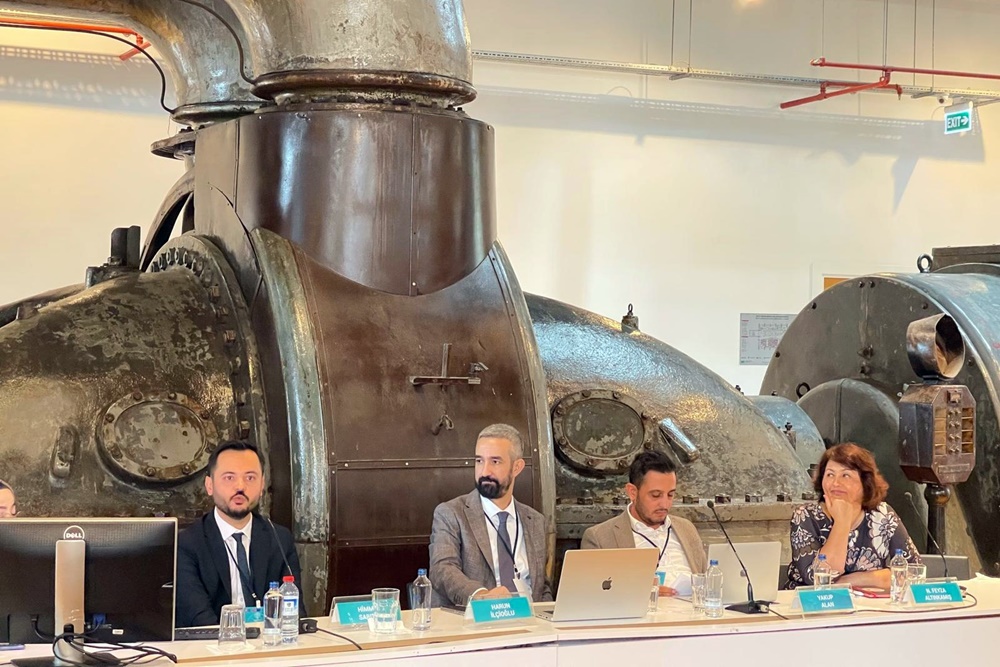
In his presentation titled ‘Development Process of a Dialogue-Based Turkish Speaking Robot for Basic Level: Possibilities and Branches’, Harun İlçioğlu discussed the design and development process of a speaking robot developed for basic level Turkish learners. İlçioğlu stated that this robot offers an interactive experience to language learners and enables students to practice language with scenarios that branch according to different responses. It was stated that the robot makes language learning more engaging and effective by providing students with speaking practice based on real-life scenarios.Finally, Yakup Alan, in his presentation titled ‘Videos in the Development Process of the Turkish Speaking Robot’, gave information on how the videos supporting the interactive structure of the robot were prepared. Alan explained the technical processes such as the correct ordering of the videos shot for each dialogue according to the answers given by the students and ensuring the consistency of the scenarios. He emphasized that the videos play an important role in the success of the speech robot and contribute to a more natural learning experience for the students. By sharing these important research and project outputs, the symposium provided an opportunity to discuss new approaches in the field of Turkish language teaching. While the innovative methods offered by the Language Tree Project made a great contribution to language teaching processes, the participants shared their experiences and academic knowledge about the project.
During the two-day symposium, many papers were presented in the fields of heritage language and teaching Turkish as a foreign language. Expert academics, researchers, and educators made comprehensive presentations on new approaches and methods of teaching Turkish. The symposium continued with scientific sessions and fruitful discussions among the participants. The event, where strategies for teaching Turkish more effectively at the international level were discussed, was completed after the presentations.