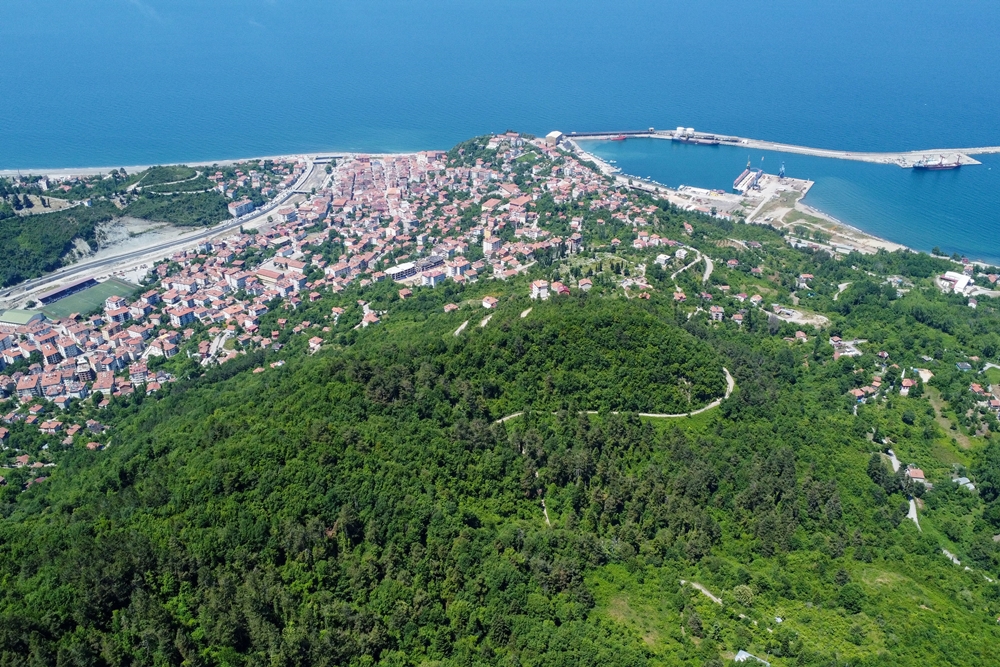
2,300-year-old artefacts were discovered in Kastamonu's Inebolu region as part of the "Inebolu, Bozkurt, Abana (1st Millennium BC - 10th Century AD) Survey" project, which Kastamonu University conducted with approval and cooperation from the Ministry of Culture and Tourism.
The third season of the "Inebolu, Bozkurt, Abana (1st Millennium BC - 10th Century AD) Survey" project, which is carried out under the chairmanship of Kastamonu University, Faculty of Humanities and Social Sciences, Head of the Department of Archaeology, Assist Prof.Dr. H. Asena Kızılarslanoğlu, continues in İnebolu.
The survey started in November 2022 and is planned as a 5+1 year project. It is carried out with the permission of the Ministry of Culture and Tourism, General Directorate of Cultural Assets and Museums. The research team, which carried out the first three seasons in İnebolu, travelled step by step to all the district villages and interviewed mukhtars and village residents. Within the project's scope, the team started to prepare the records and inventory of archaeological and cultural assets dating from the 1st millennium BC to the 10th century AD.
In addition to identifying archaeological and cultural assets, the research team, which aims to contribute to the existing developments in terms of tourism in Inebolu and thus in Kastamonu, has come across findings that can be dated to 2,300 years ago in the research conducted so far.
Kastamonu University, Faculty of Humanities and Social Sciences, Head of the Department of Archaeology Assist.Prof.Dr. H. Asena Kızılarslanoğlu also stated that there is a possibility that this date may be earlier, considering the settlement history of the region.
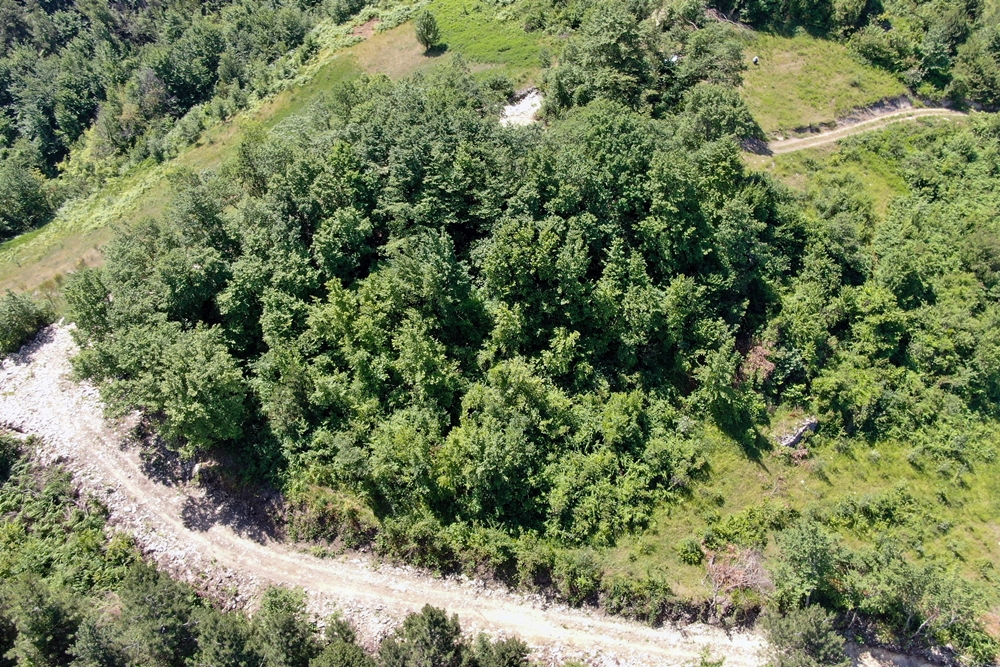
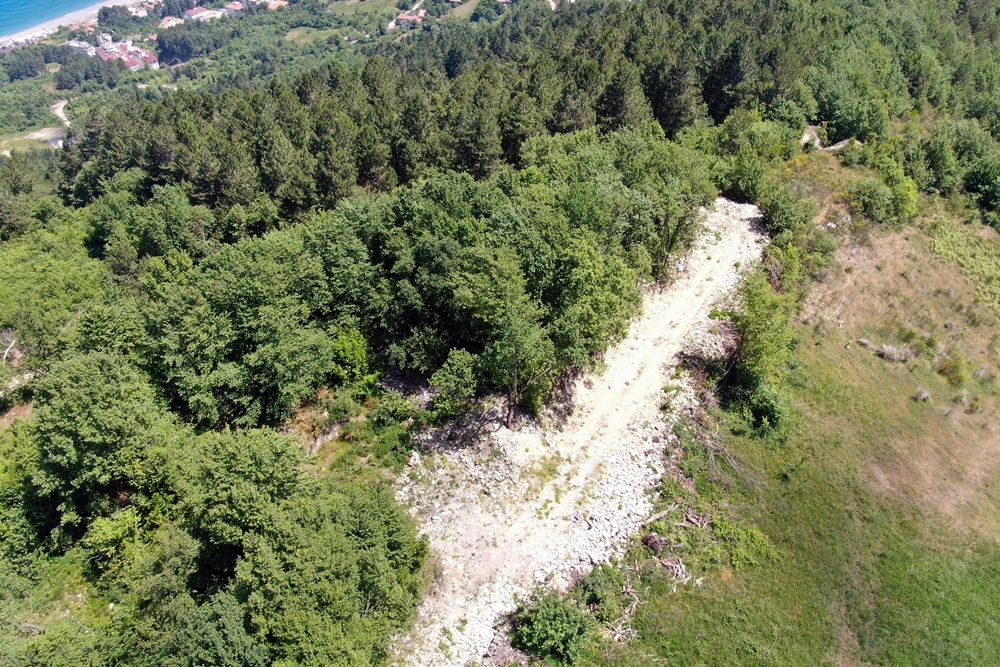
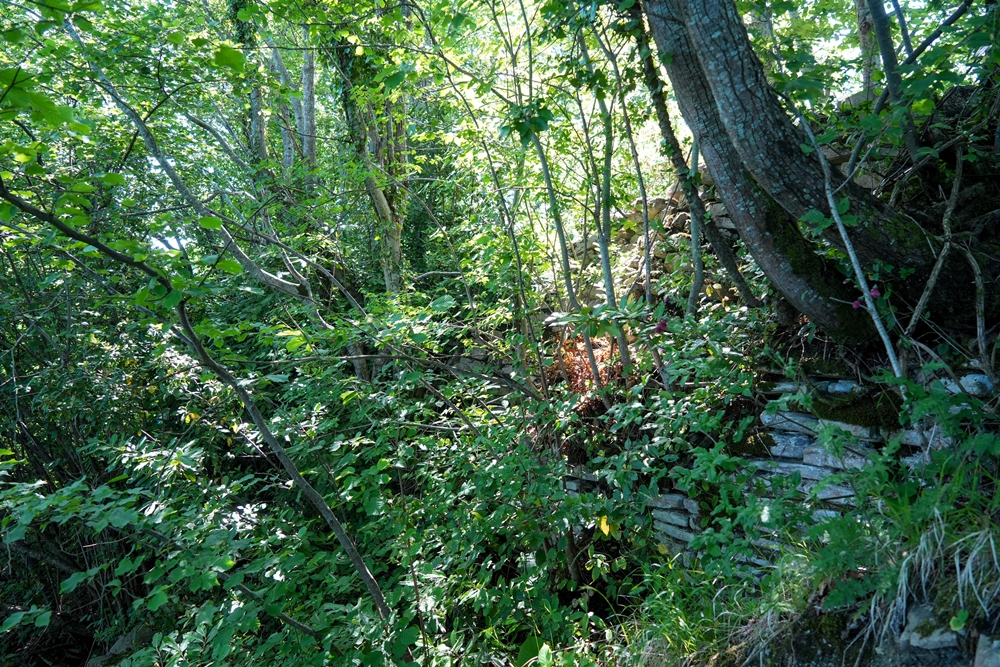
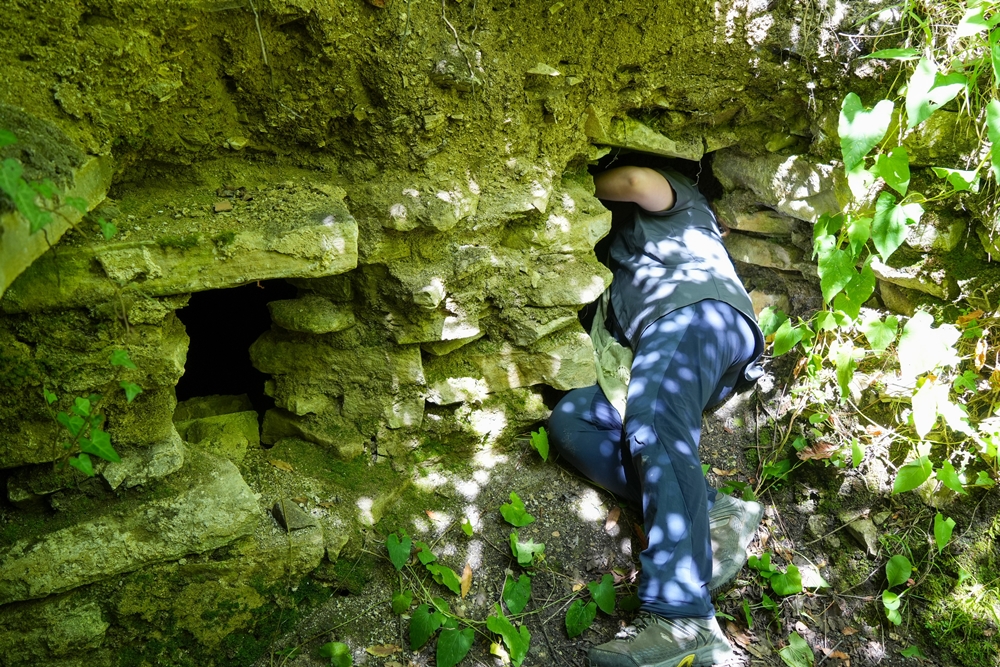
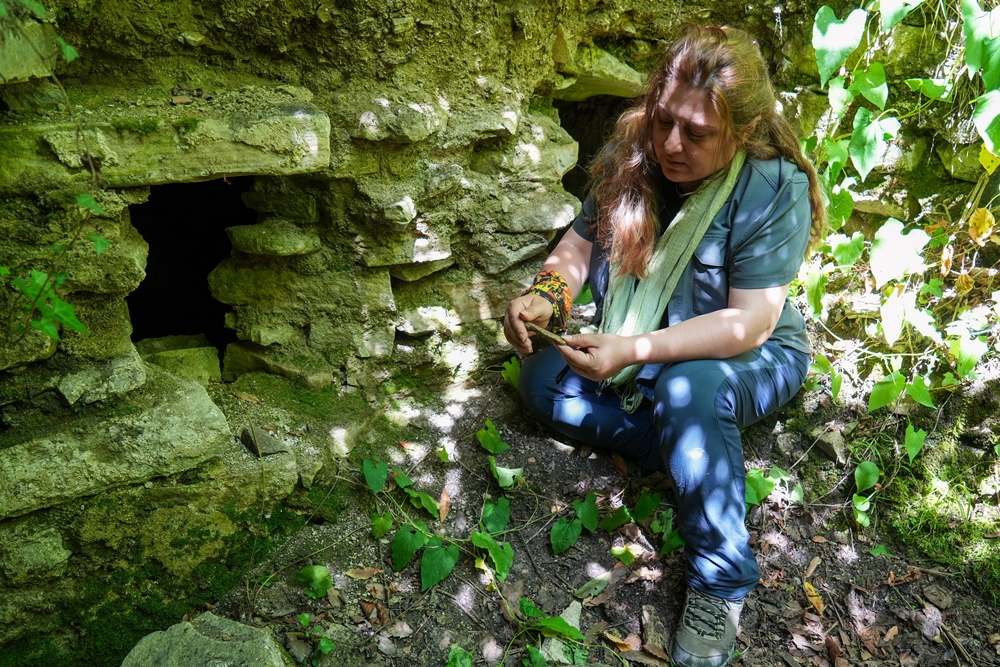
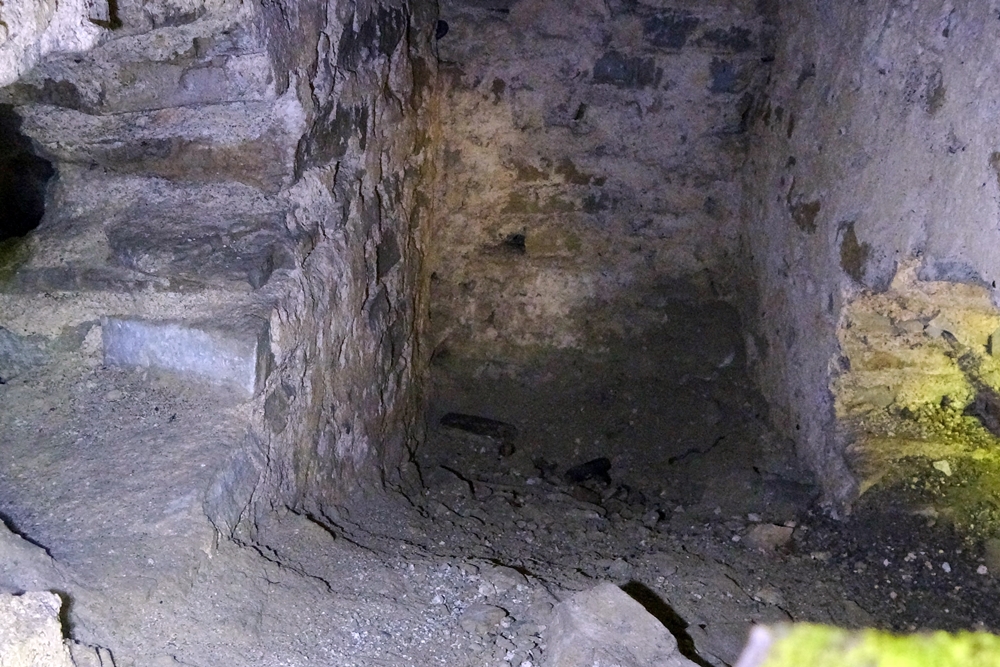
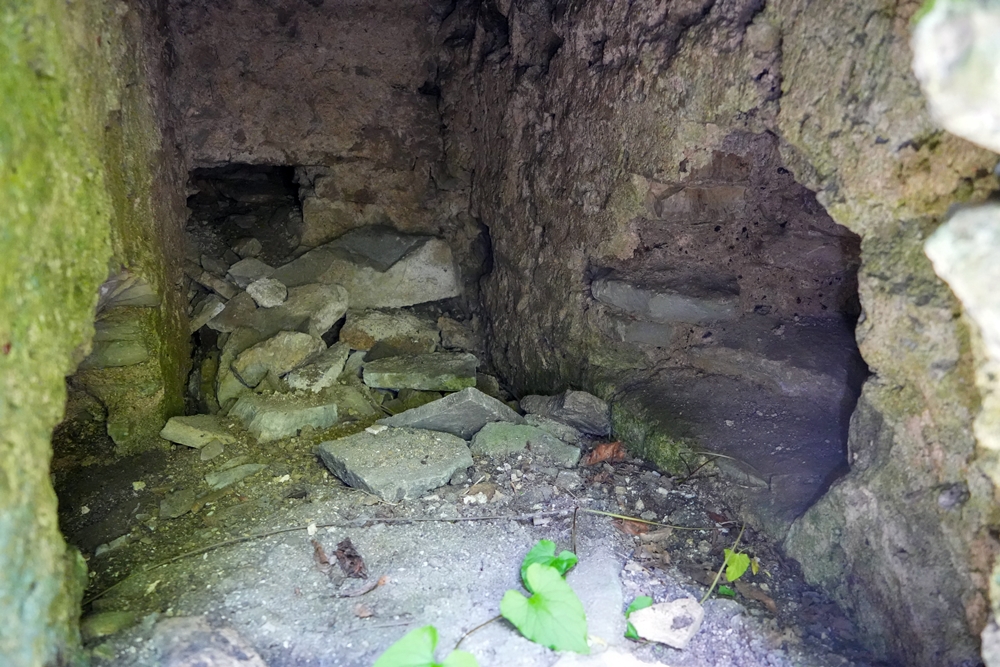
Necropolis (tomb in archaeological cities) found in Inebolu.
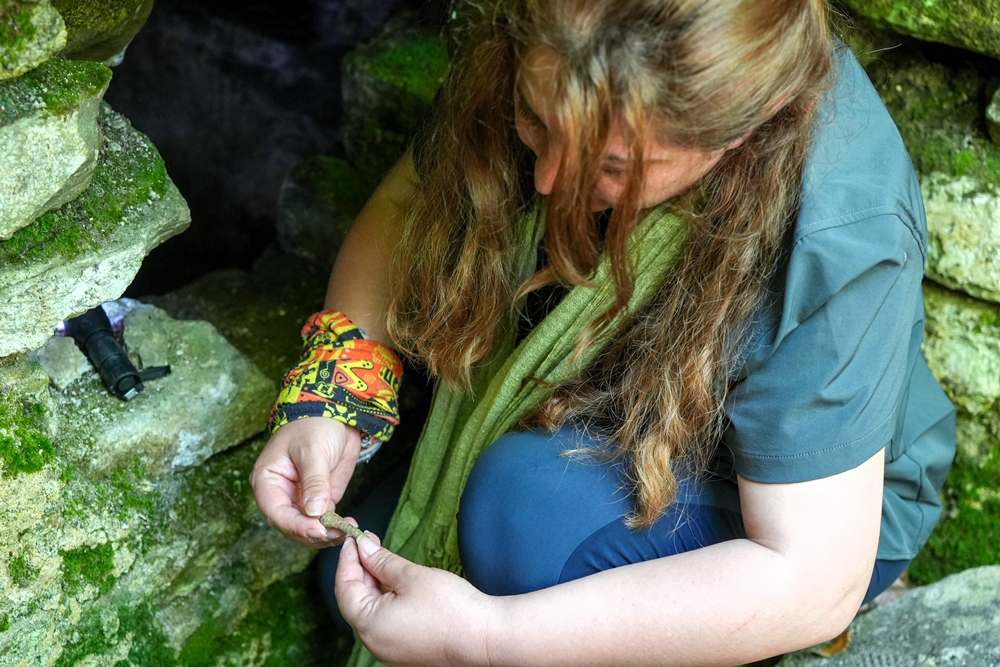
In addition to the tombs, monastery and church structures, the presence of broken pottery sherds and architectural blocks, which contain many clues about the historical period, also gives an idea about the economic power, production and trade potential of Inebolu in the Ancient Age. After the end of their work in Inebolu, the team aims to present all the findings they have found as a result of their research in a book to be published.
In addition, the Necropolis (tomb in archaeological cities), which was identified during the archaeological studies carried out within the scope of the project, was registered as a 1st-degree archaeological site by the Ankara Regional Council for the Protection of Cultural Assets as a result of the application made by the team.
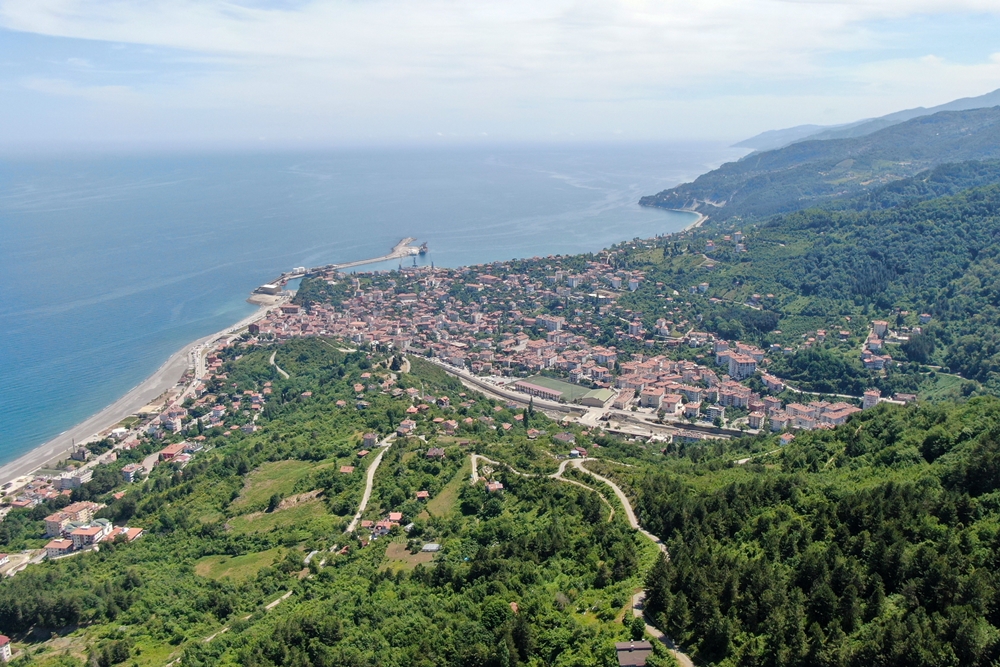
Assist.Prof.Dr. Kızılarslanoğlu stated that they have been conducting surveys in İnebolu for three years. He noted that they started these studies in the seaside districts of Inebolu, Bozkurt and Abana. He said that with the permission of the Ministry of Culture and Tourism and with the support of local administrations, they aim to identify and record archaeological and cultural assets in these regions and to make an inventory in a sense.
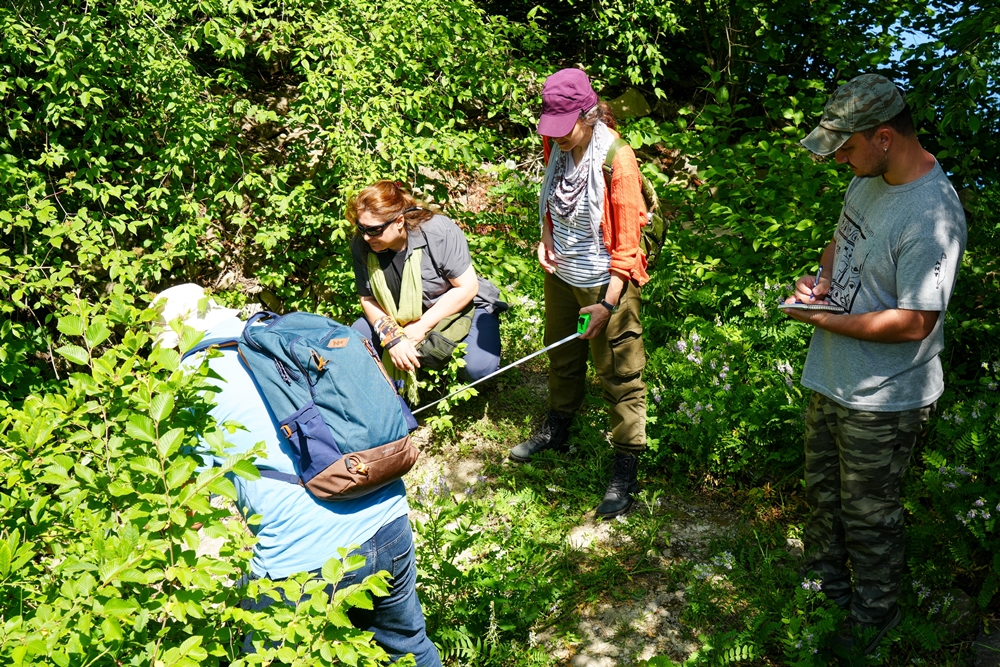
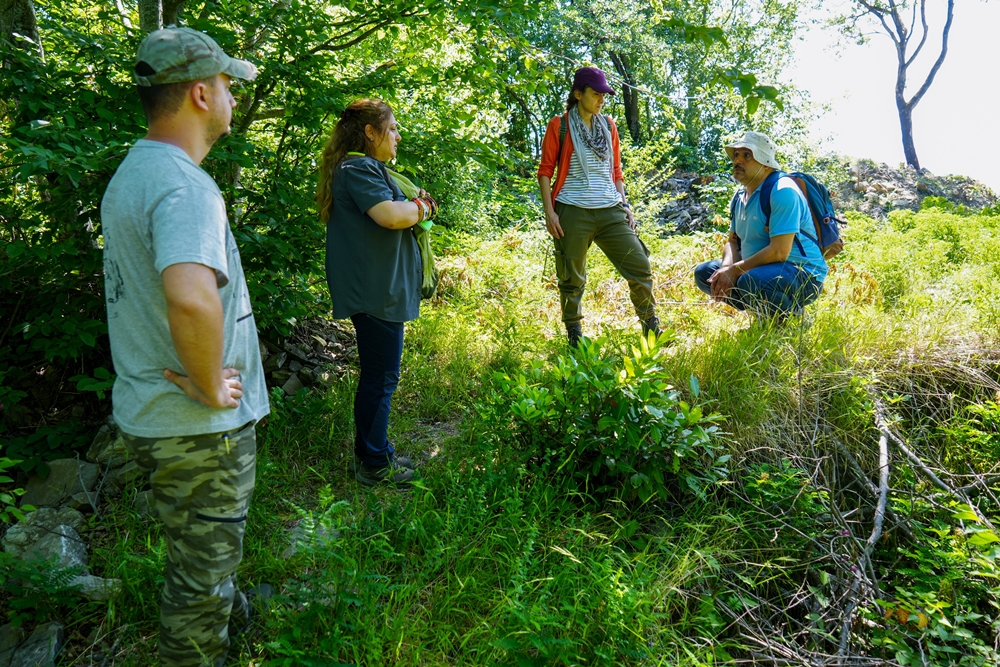
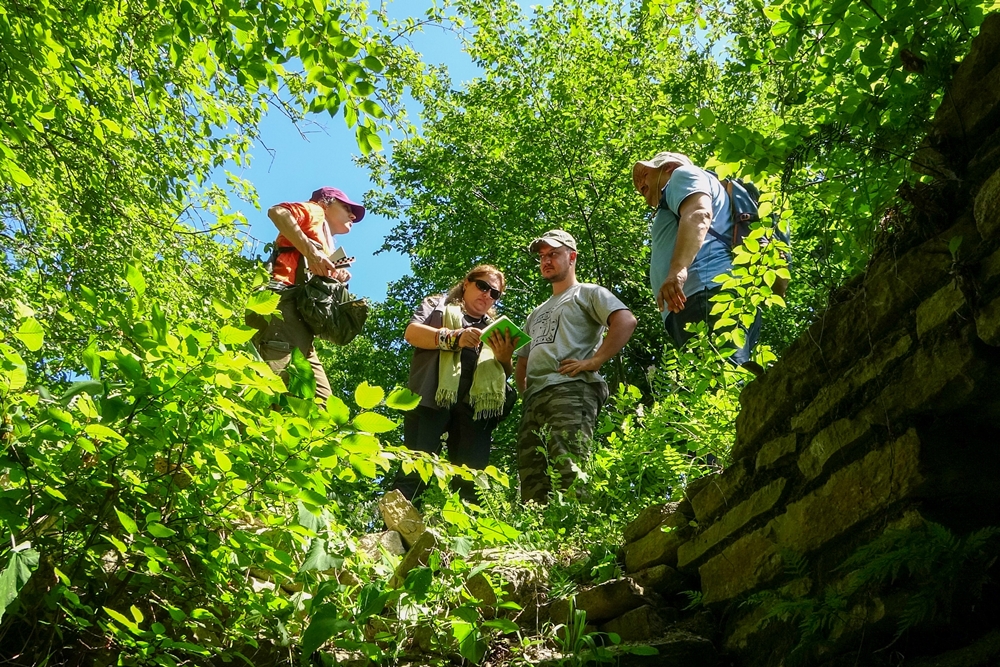
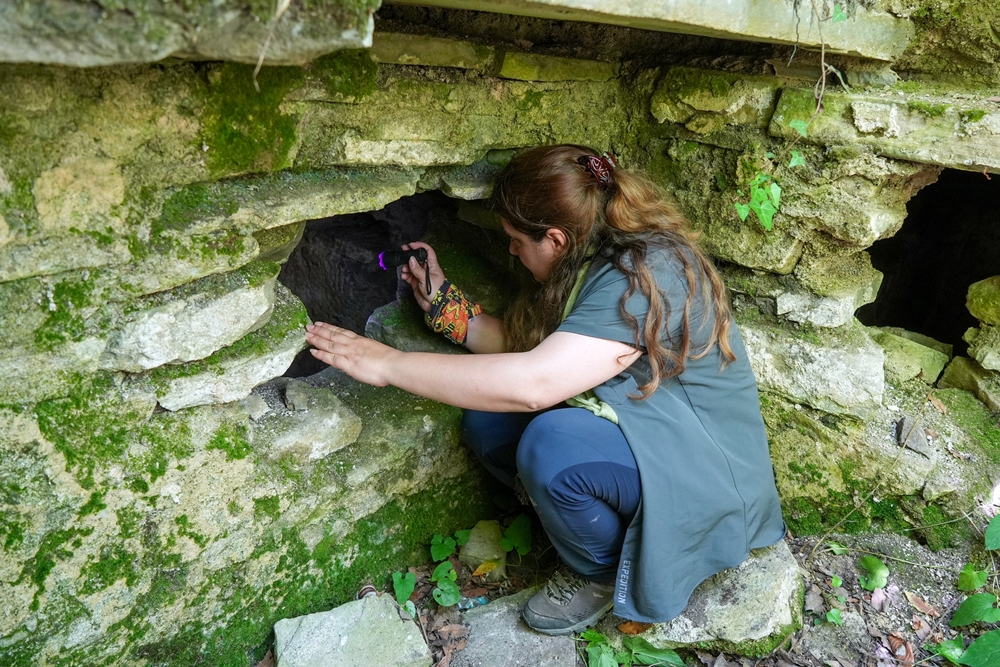
Stating that they want to identify the remains and traces of people who lived in ancient times, Kızılarslanoğlu said that as a result of these studies, they aim to contribute to the region's tourism. He said they visited all villages with a small team and interviewed mukhtars and older adults in the region to obtain preliminary information about cultural and archaeological assets. He said they continue their surface research by walking under challenging conditions and entering forested areas when necessary.
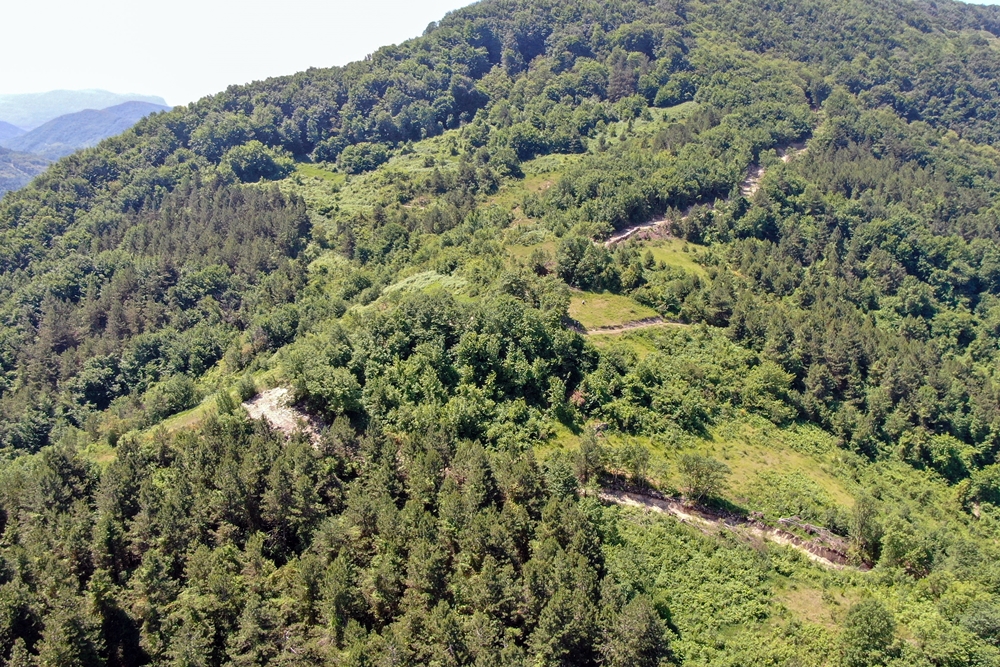
Stating that they have created an inventory record of the monastery and building groups belonging to historical periods on Geriş Hill, Kızılarslanoğlu said that they aim to turn all this data into a book. He stated that they plan to continue their work for another 2+1 years and that they plan to work in Bozkurt and Abana next season.
Emphasizing that Kastamonu is a significant city in the historical process, Kızılarslanoğlu stated that Turkey has much archaeological potential and that data and structures are witnessing the historical process in almost every town. He said that they started studies in the coastal districts of Inebolu, Bozkurt, and Abana, which they think were active in interregional trade in the ancient period, and that they plan to carry out similar studies in other districts. However, he stated that the survey lasts 10-15 days each season, and it is impossible to finish all the districts.
Stating that they want to reveal the trade potential of the coastal districts and the regions, settlements and cities they are connected to, Kızılarslanoğlu expressed that they want to re-emphasize the importance of İnebolu in these studies and thanked the General Directorate of Cultural Assets and Museums of the Ministry of Culture and Tourism, the Governorship of Kastamonu, Kastamonu University, İnebolu District Governor Ahmet Vezir Baycar, İnebolu Municipality, Kastamonu Regional Directorate of Forestry, İnebolu Forest Management Directorate, Archeology Museum, local people and village headmen for their support.
The research team includes İsmail Çoban, Kastamonu Archaeology Museum Specialist, Assoc. Prof. Dr. Rabia Aktaş, Deputy Head of the Department of Archaeology at Kastamonu University Faculty of Humanities and Social Sciences, and Archaeologist Berkay Kavak.