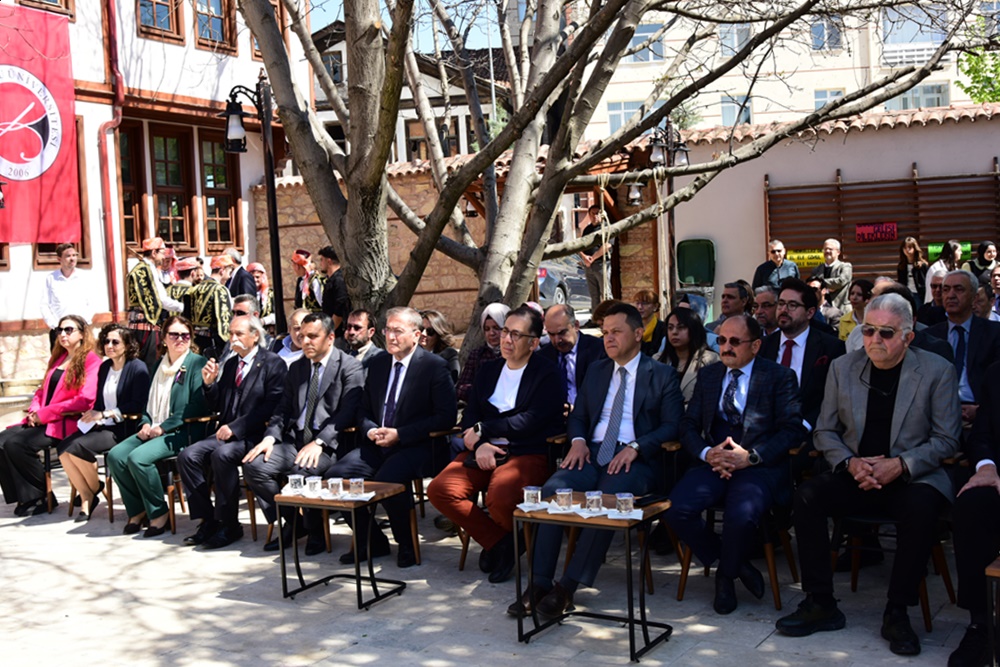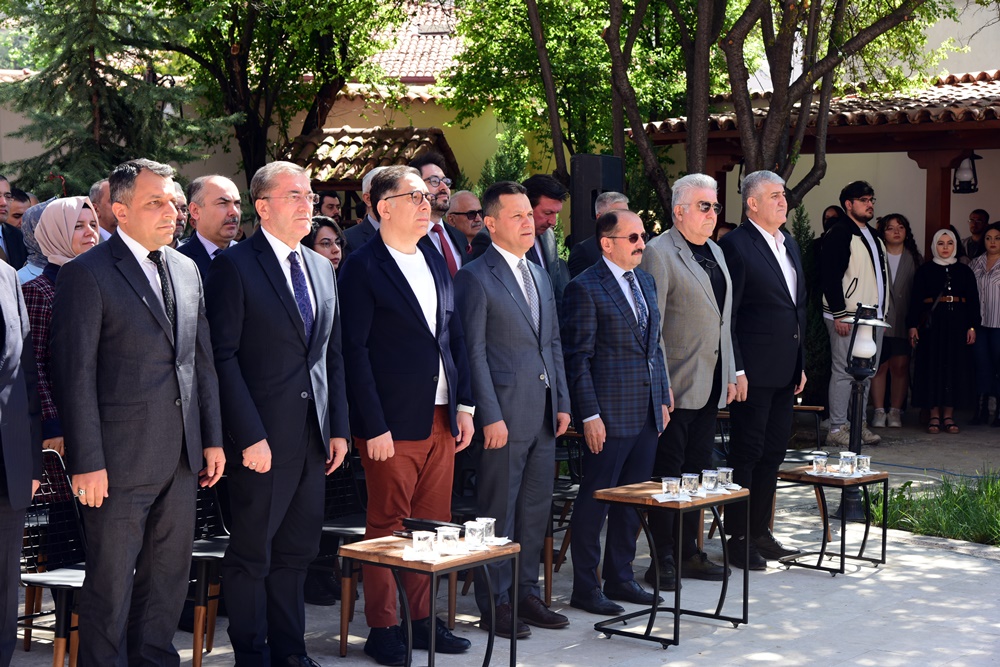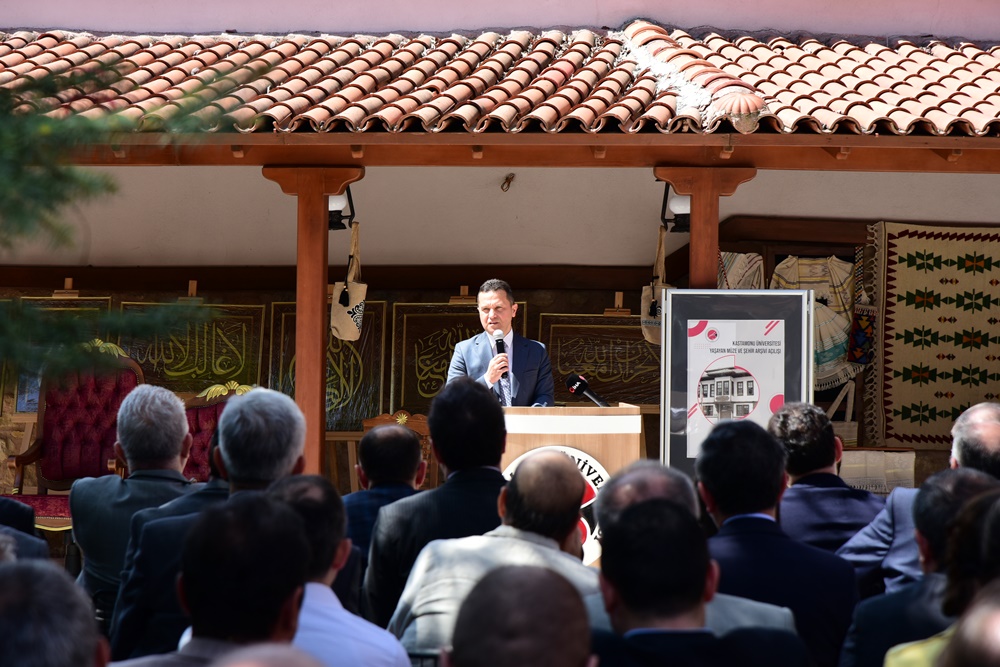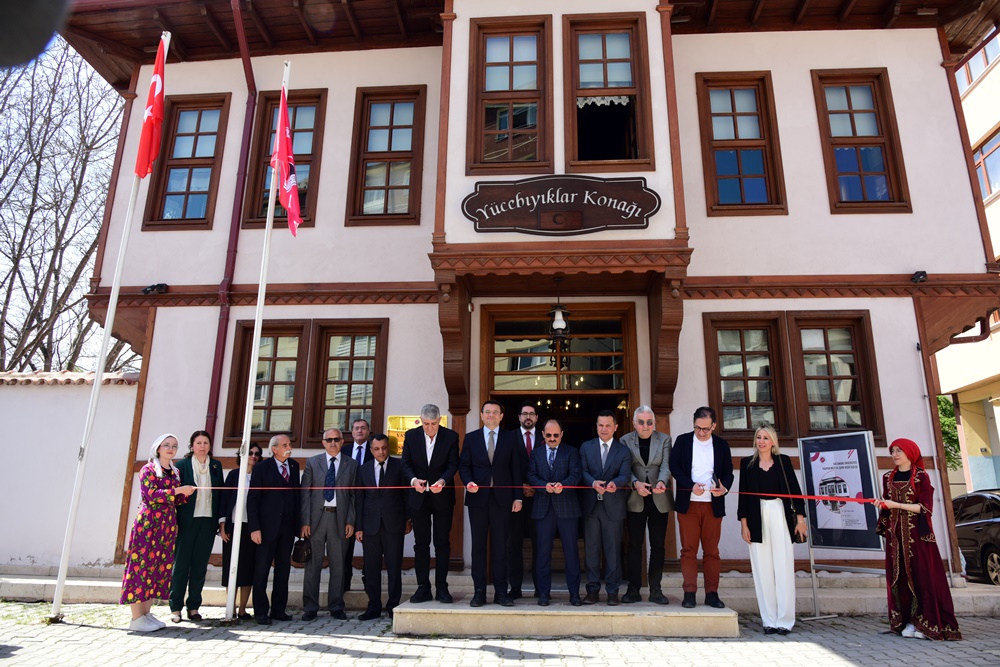
Kastamonu University has undertaken another important project to preserve the city's cultural heritage and pass it on to future generations. Established in the Yücebıyıklar Mansion, which reflects the city's historical texture, the "Living Museum and City Archive" was opened to visitors with an inauguration ceremony on May 6, 2025.
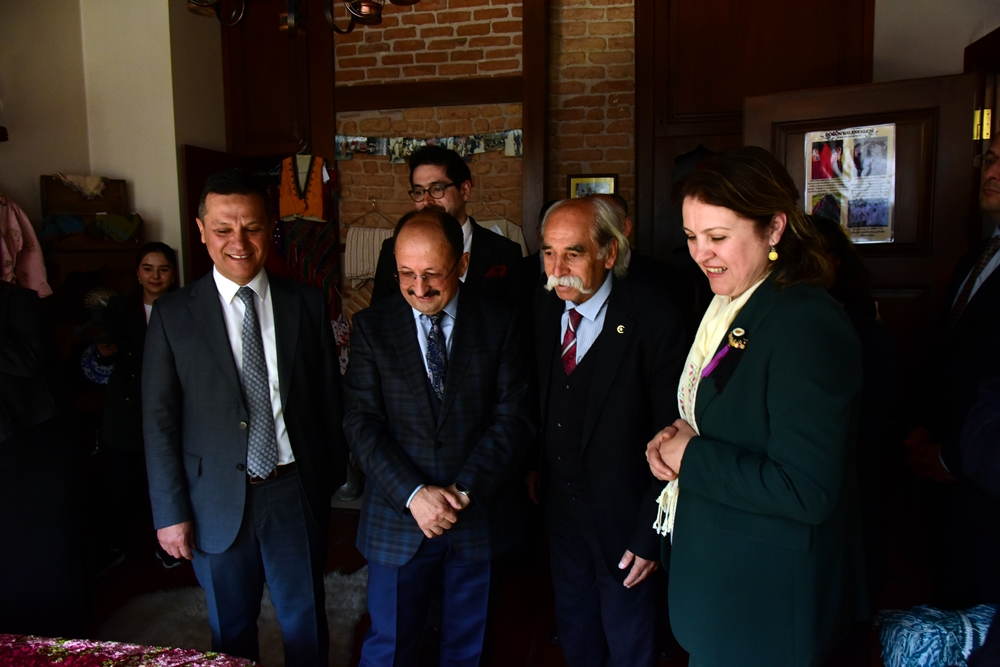
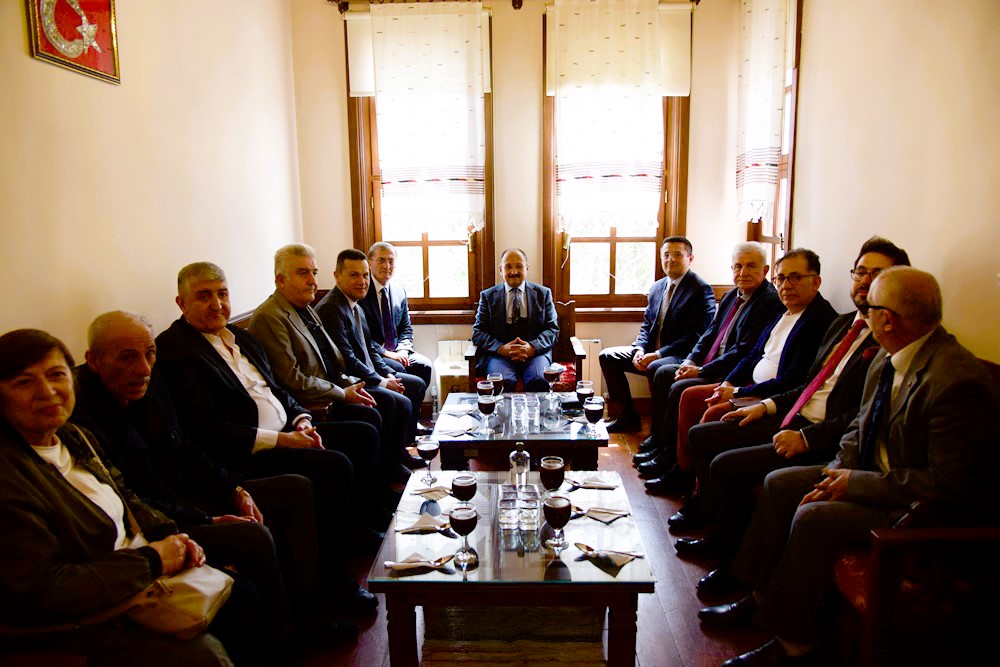
The ceremony was attended by Kastamonu Deputy Governor Aydın Ergün, our Rector Prof. Dr. Ahmet Hamdi Topal, as well as Vice Rectors Prof. Dr. Mehmet Atalan and Prof. Dr. Selahattin Kaymakcı, members of the Yücebıyıklar Family Namık, Adil, Akay, Rıfat, Mihriban Yücebıyık, and Sümeyra Kırlı, and representatives from public institutions and organizations.
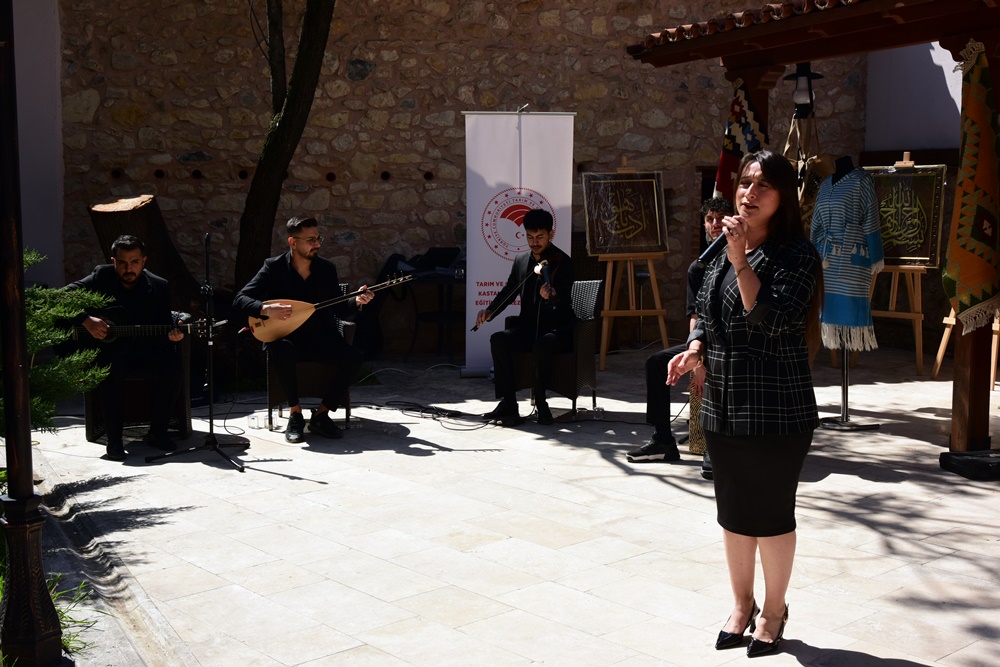
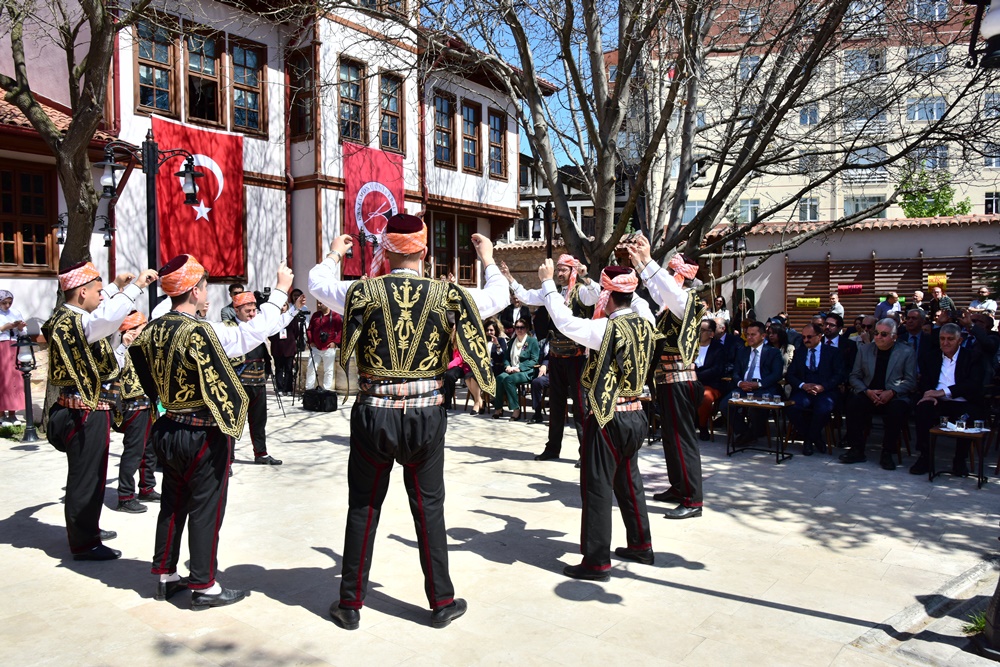
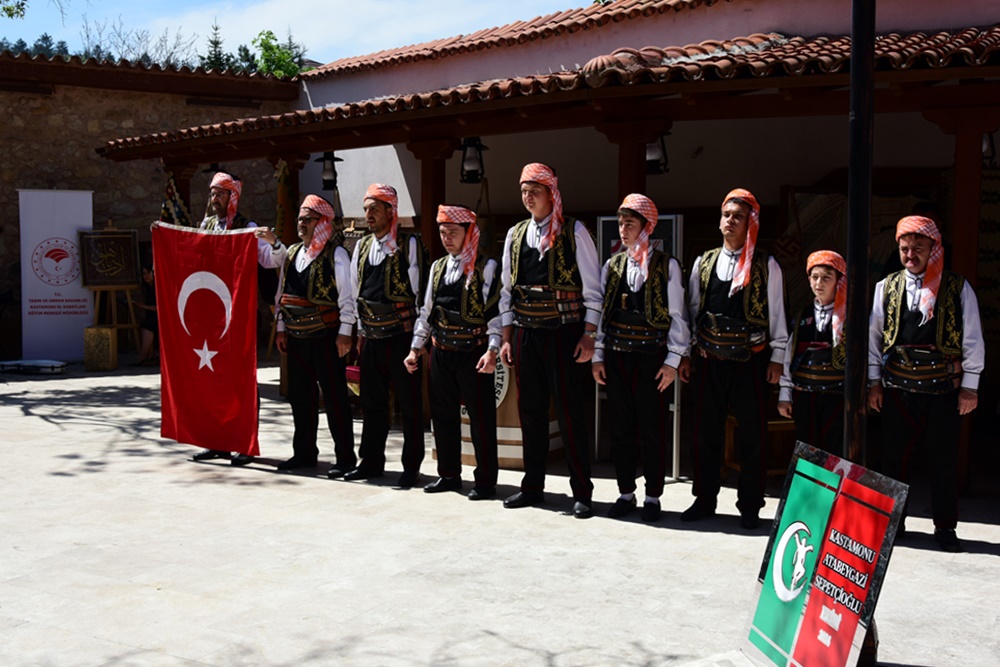
Before the opening, the Kastamonu Folk Songs program performed by the Department of Musicology of our University’s Faculty of Fine Arts and Design and the Sepetçioğlu Folk Dances show presented by the Kastamonu Atabeygazi Association were held.
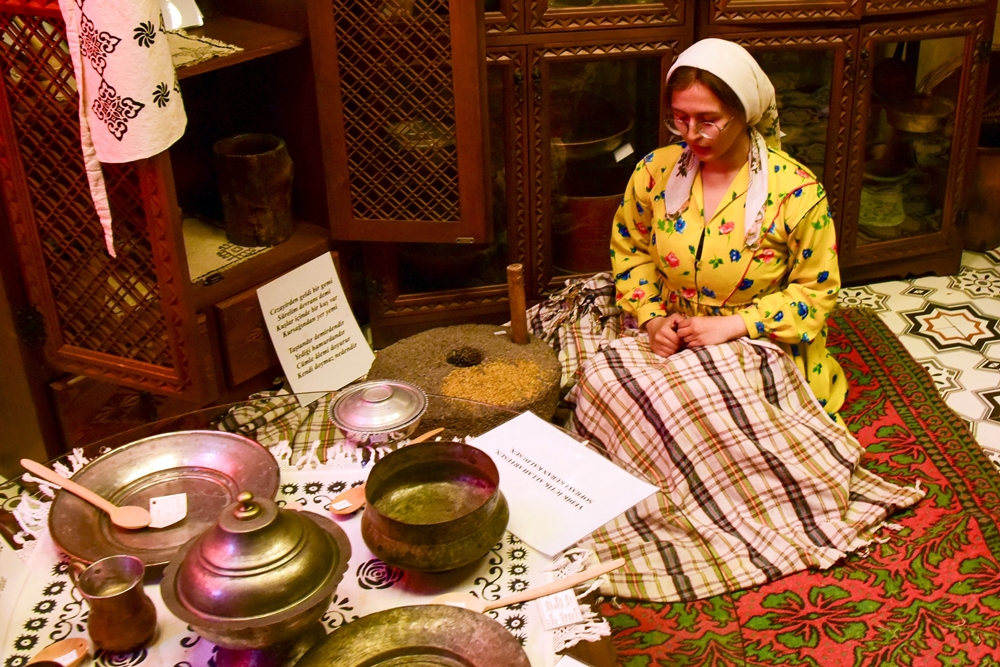
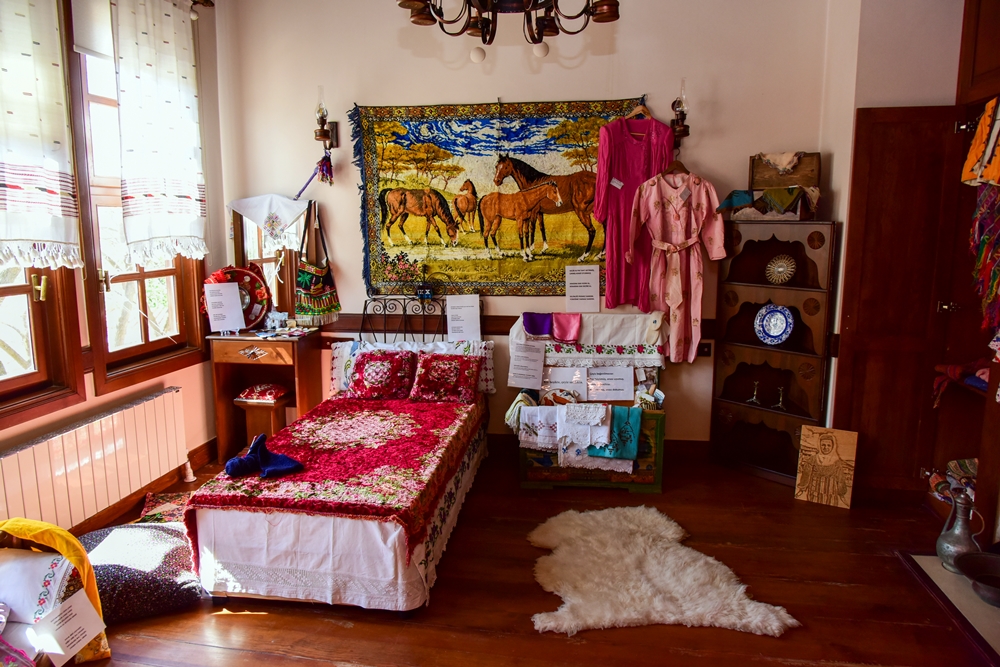
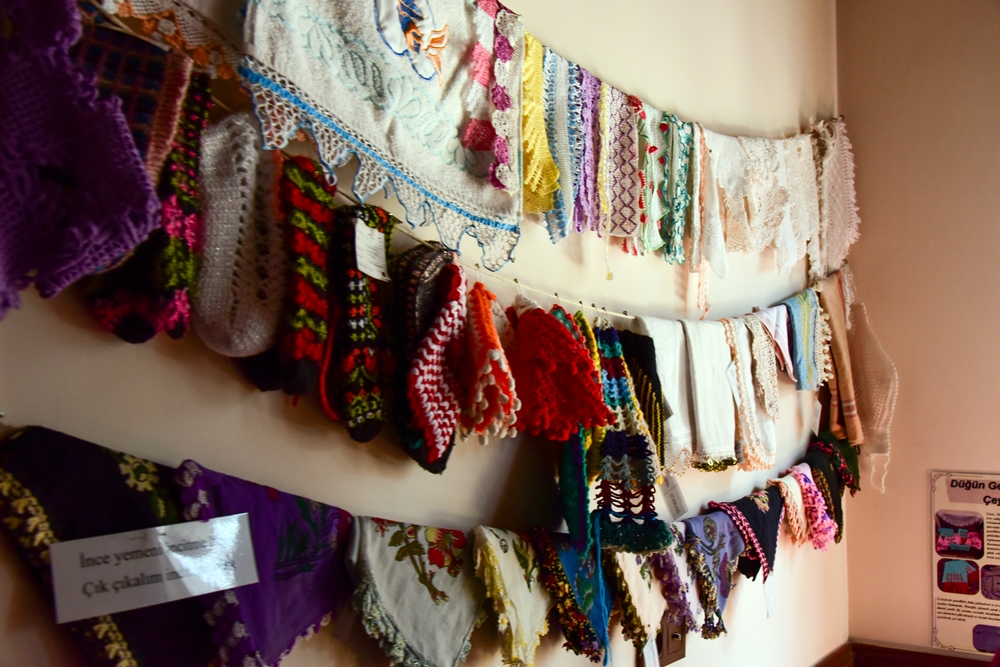
The mansion located on Şeyh Şaban-ı Veli Street has been repurposed as a center to preserve Kastamonu's cultural memory.As part of the project, documents, objects, and visual materials related to the city's social, cultural, and historical development were brought together and made available to the public.Additionally, with the concept of a "living museum," various workshops, exhibitions, and events aim to encourage active participation from visitors.
"We want to create awareness by living our culture."
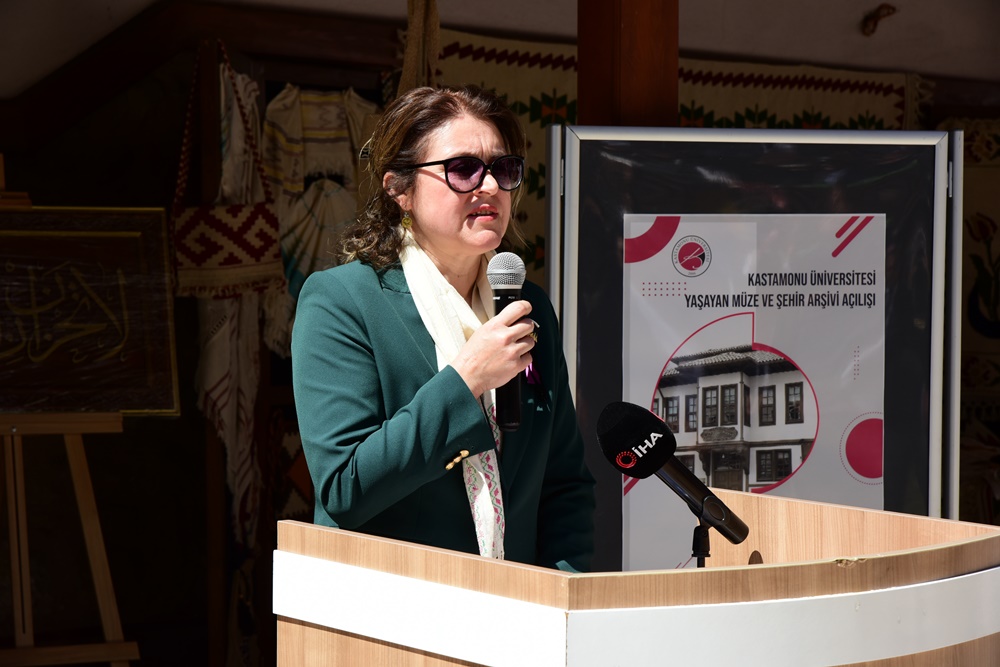
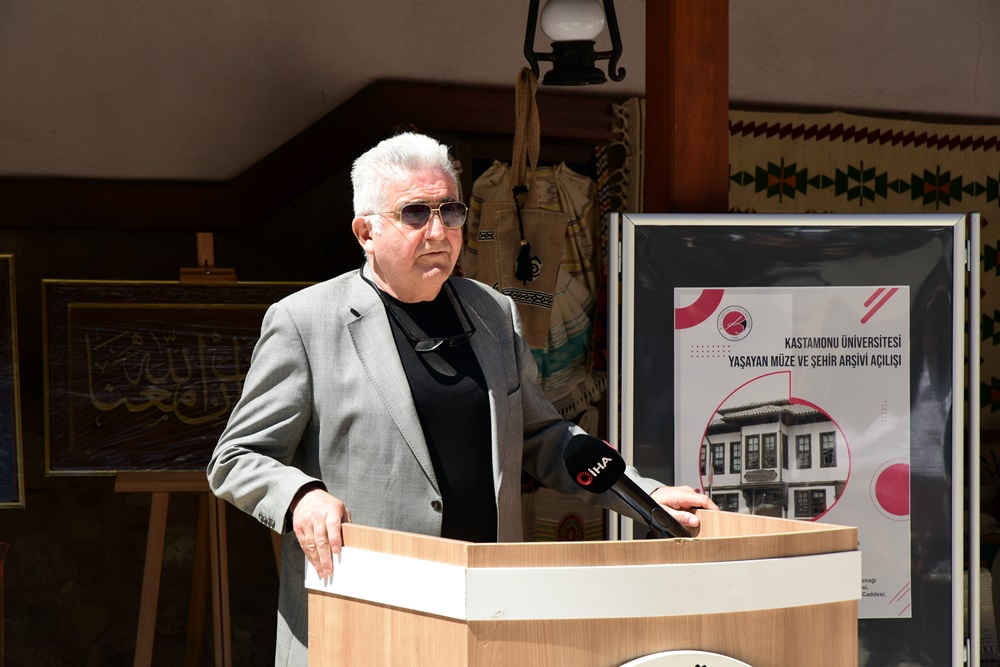
In her opening speech at the ceremony, Prof. Dr. Gülten Küçükbasmacı, Director of the Turkish Folk Sciences Application and Research Center, expressed that Kastamonu has a very rich culture with its cultural structure. Pointing out that the place of traditional culture in daily life is diminishing, Prof. Dr. Küçükbasmacı said that traditions can only be passed on to the future by preserving them, and for this, living museums are needed.
Prof. Dr. Küçükbasmacı continued his words as follows: “Living Museums are places that do not merely exhibit the past, but rather keep it alive and teach it by living it. Our aim at the Living Museum is to create awareness by experiencing our culture, serving as a memory space where people of all ages can participate and learn. Our greatest aim is not just to tell the culture of Kastamonu, but to live it together, feel it, and pass it on to future generations."
"History cannot be written without the Kastamonu archives"
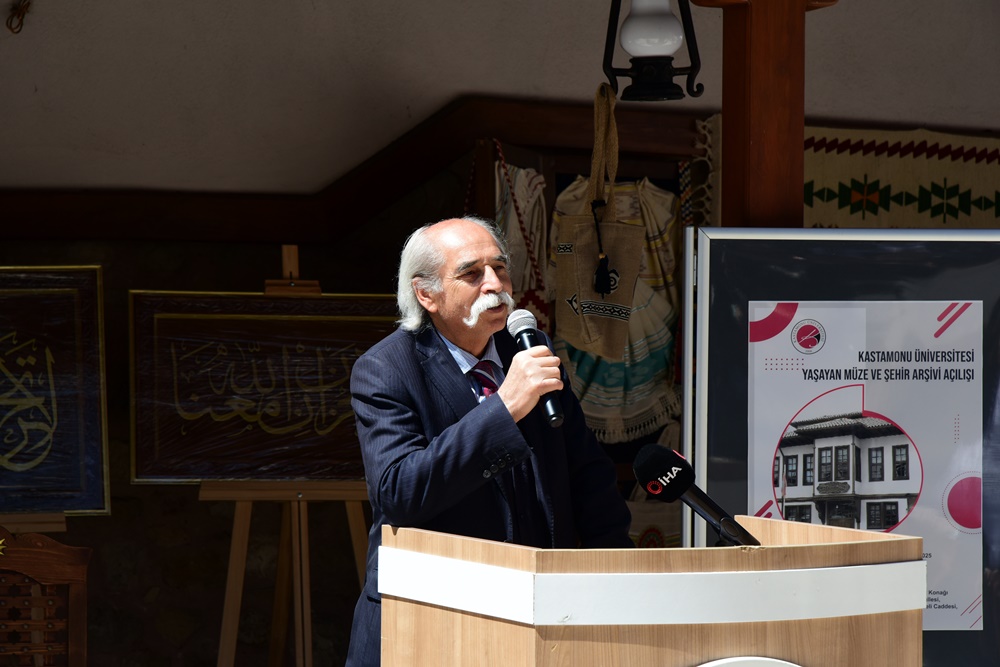
After Prof. Dr. Küçükbasmacı, the Director of Culture and Art Practice and Research, Prof. Dr. Zeki Gürel took the floor and reminded that Kastamonu is a province extending from Kadıköy to Boyabat, he stated that the history of Kastamonu cannot be written without delving into the Kastamonu archives.
Stating that Kastamonu was one of the important cultural centers in the past, Prof. Dr. Gürel emphasized that it would continue to maintain this characteristic in the future. Stating that understanding the history of Kastamonu is necessary to understand and narrate the history of the National Struggle, Gürel announced that the house where Mehmet Akif Ersoy lived would also be turned into a museum.
"City memory is being revived."
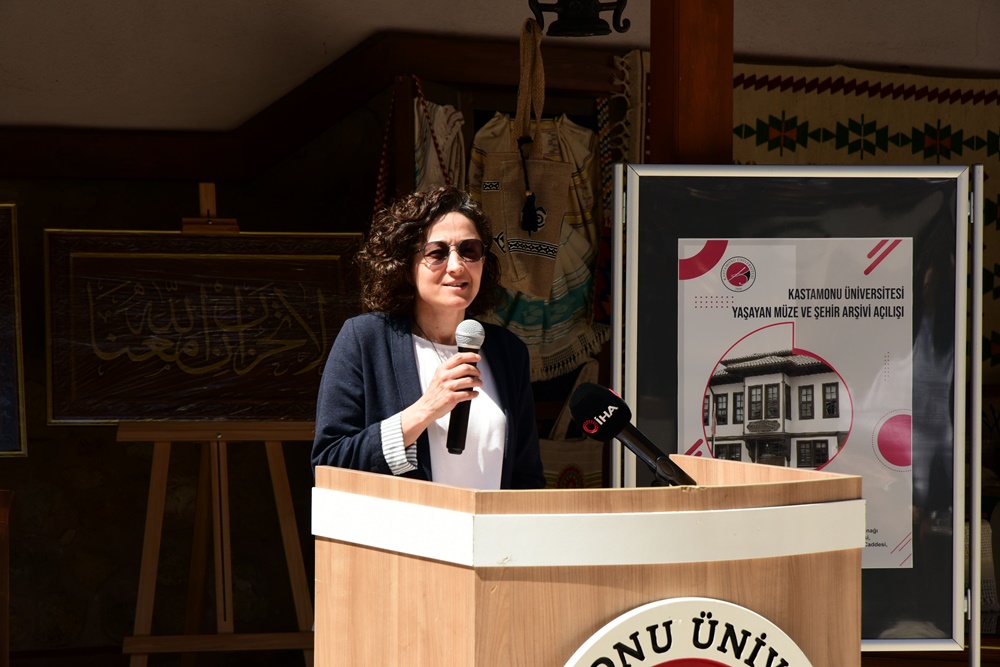
After Prof. Dr. Gürel, the Director of the History and Archaeology Application and Research Center, Assoc. Dr. Rabia Aktaş, took the podium and emphasized that museums, libraries, and archives are a memory that preserves the past, highlighting that they are important centers that facilitate the transfer of the city's cultural, informational, social, and artistic accumulation to the future.
Assoc. Prof. Dr. Aktaş continued his speech as follows. "The common goal of the Center for History and Archaeology Application and Research, the Center for Culture and Art Application and Research, and the Center for Turkish Folklore Application and Research is to revive the memory of the city and to convey its works from the past to the present."
After Assoc. Prof. Dr. Rabia Aktaş, Namık Yücebıyık expressed his satisfaction with the mansion donated to our University hosting such a project and shared their happiness in passing on the culture and history of Kastamonu to future generations.
"A project born out of social responsibility"
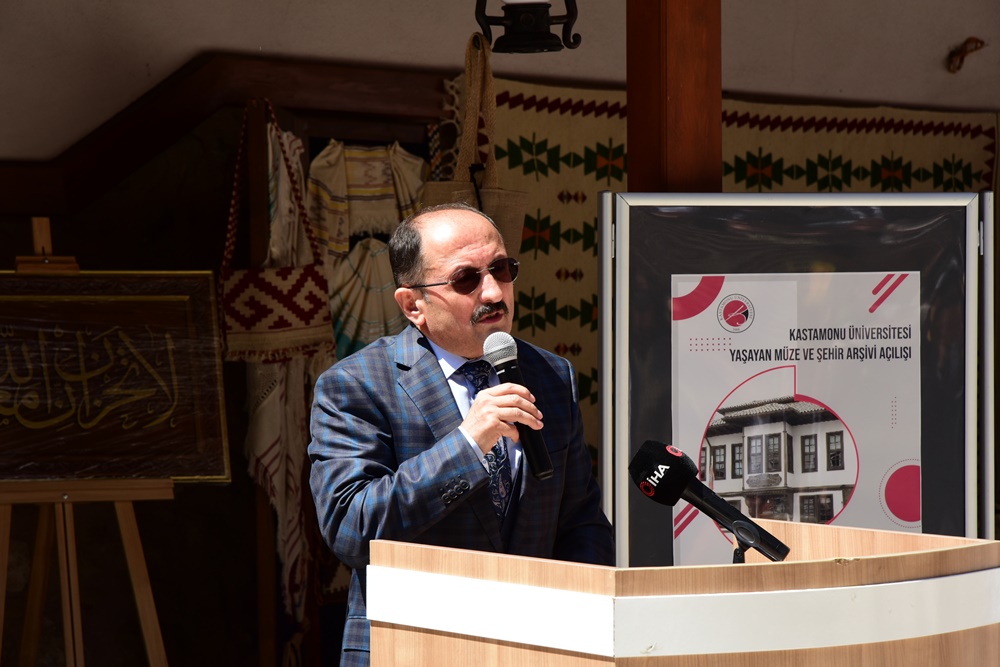
In his opening speech, our Rector Prof. Dr. Ahmet Hamdi Topal, who gave a brief talk and provided explanations about the event, stated that the project is not only an academic endeavor but also a product of social responsibility. Our Rector also expressed that they brought this museum to the public to carry the rich intangible heritage of Kastamonu into the future and continued his speech as follows:
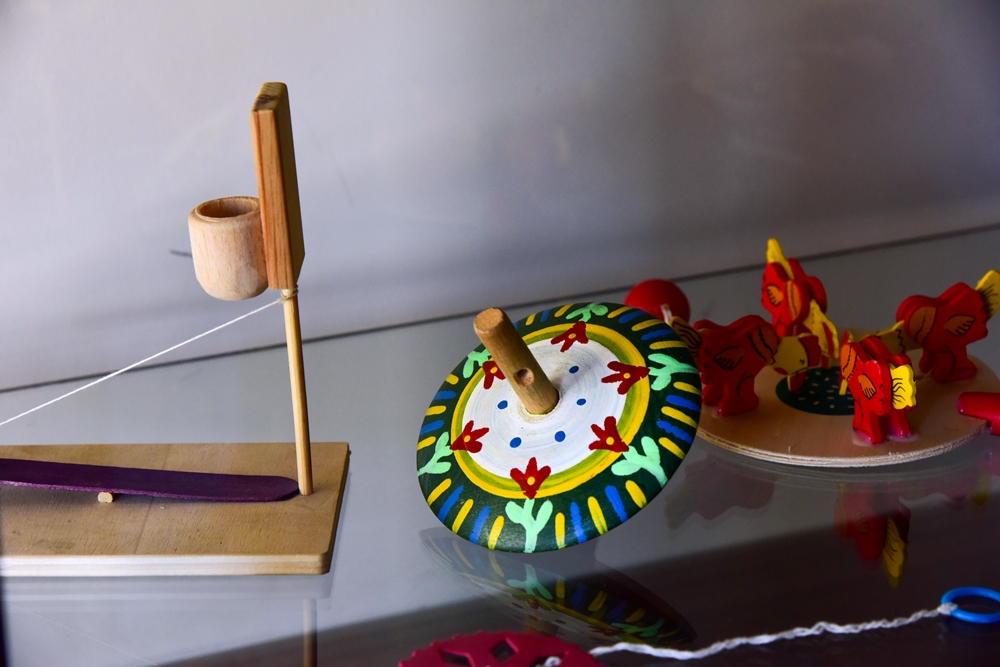
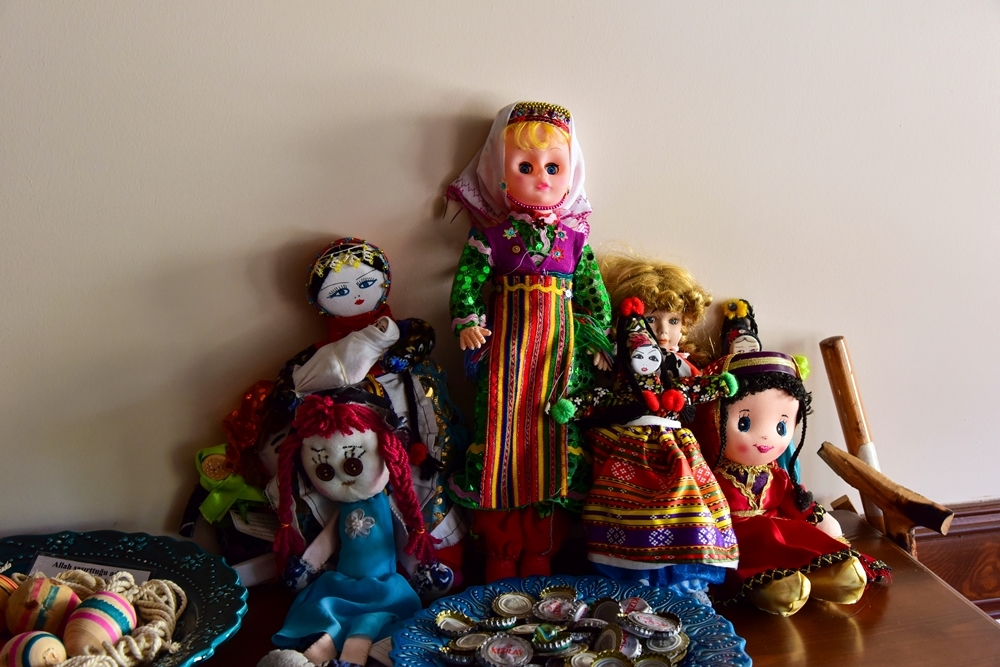
"Our museum and city archive will host tangible cultural heritage elements such as its building, books, photographs, collections, archival materials, kitchenware, agricultural tools, toys, and clothing, while also accommodating intangible cultural heritage elements through practices such as oral traditions and narratives, social practices, rituals and festivals, and the tradition of handicrafts."
In the project brought to life with the support of numerous institutions and individuals, our Rector expressed gratitude to the Yücebıyıklar Family and the Kastamonu Handicrafts Training Center Directorate, who donated the archive building to our University, as well as to all the employees who contributed. He emphasized that he expects the public's interest and support to carry this museum into future years.
"The traces of the past will continue in this museum."
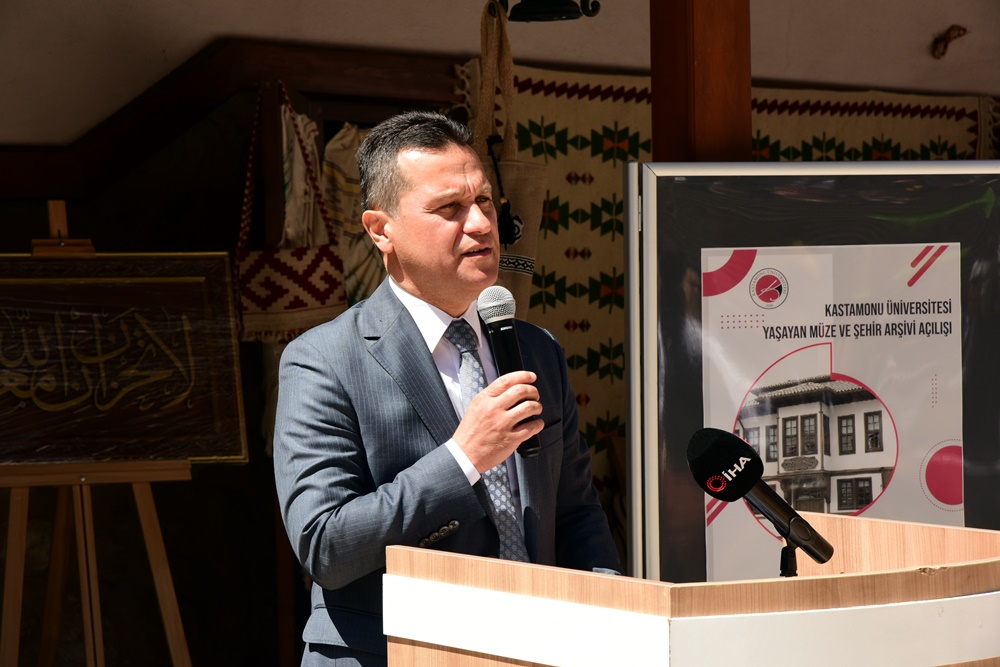
After our Rector's speech, Lieutenant Governor Aydın Ergün made a brief speech, emphasizing that Kastamonu, with its rich culture, deep-rooted traditions, and strong social structure throughout history, has been the memory of Anatolia. He highlighted that with the opening of this museum, the youth and visitors will not only trace the traces of the past but also strengthen their bonds with the future.
Lieutenant Governor Ergün stated that Kastamonu's rich folklore, handicrafts, culinary culture, and traditional way of life would be vividly showcased, and concluded his speech with the words, "I would like to thank all the academic and administrative staff, institutions, artists, and esteemed citizens who contributed, especially the valuable administrators of our university, and I wish our Living Museum and City Archive to be beneficial to our city, our university, and our country."
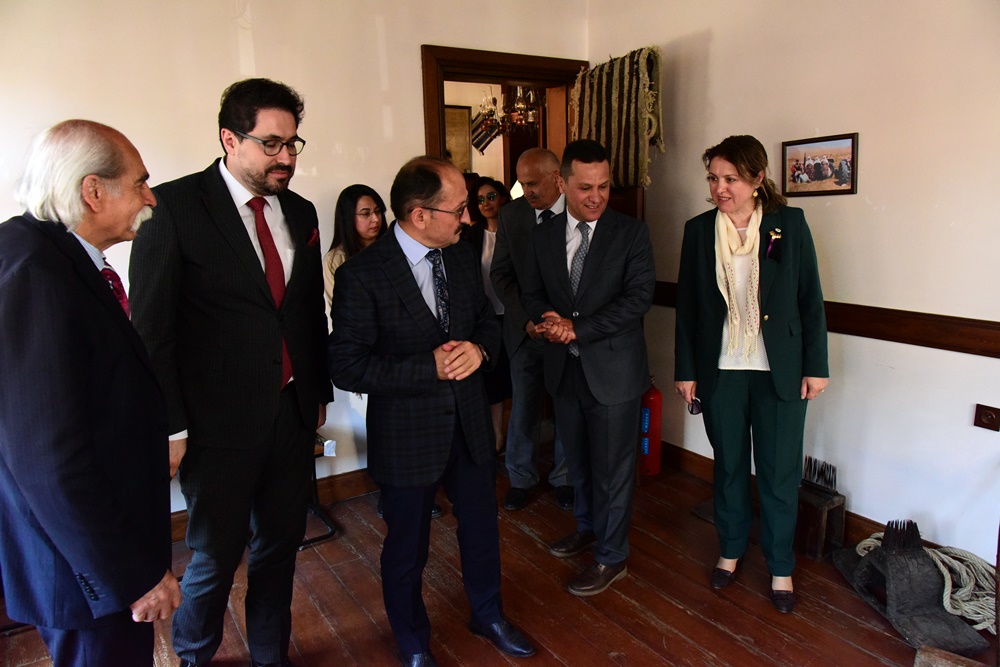
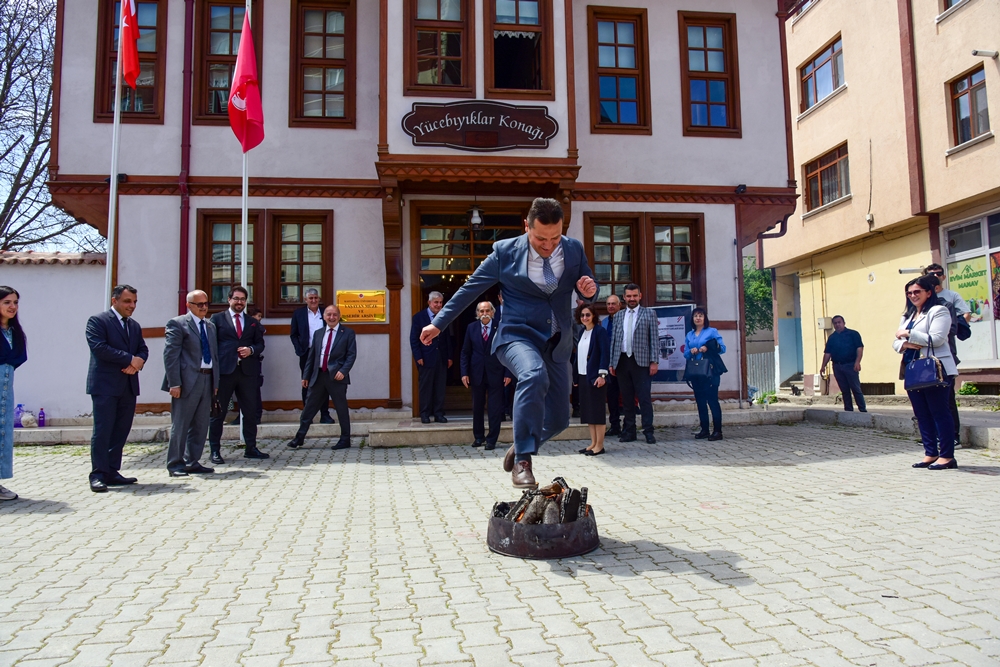
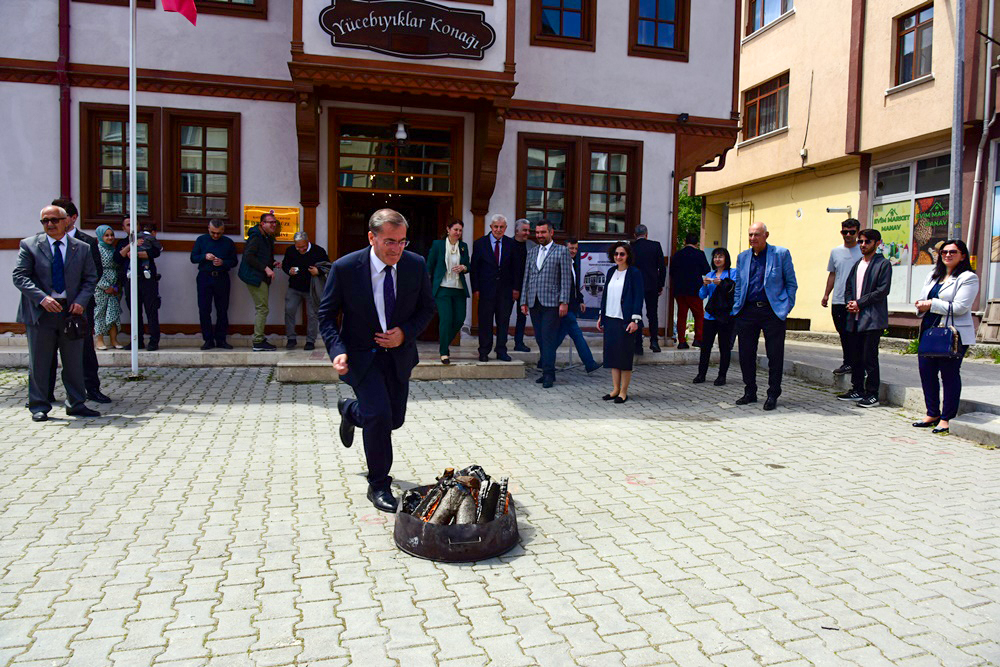
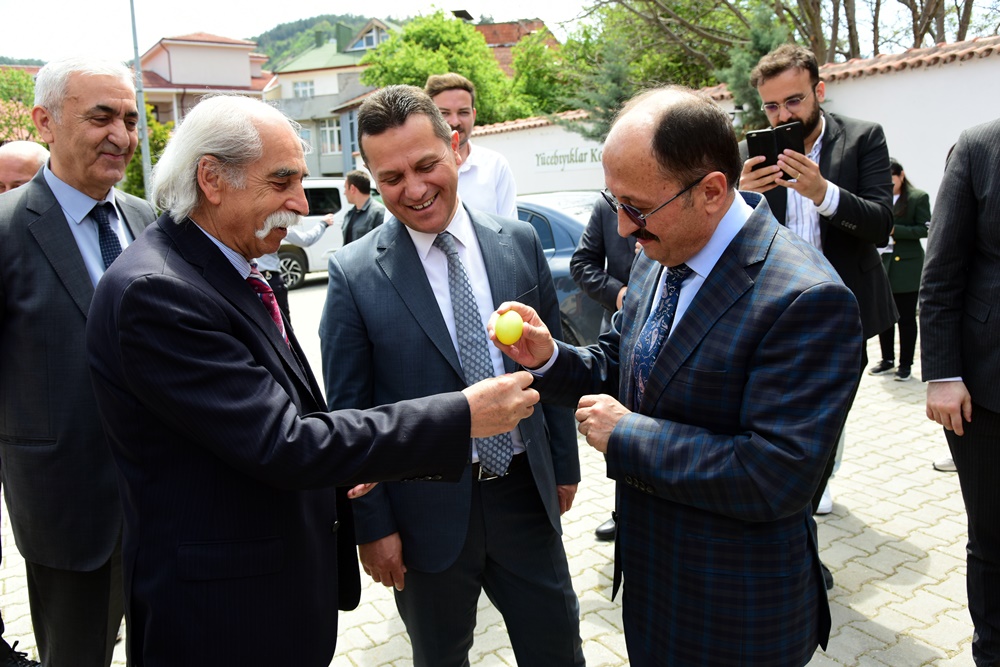
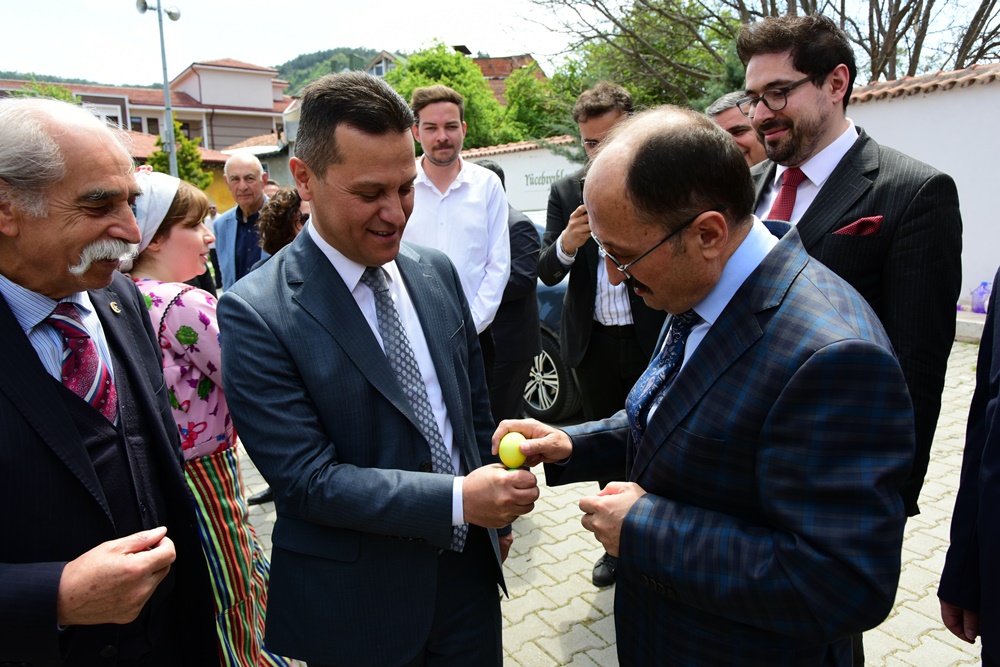
After the ribbon-cutting ceremony following the speeches, the visitors toured the mansion. After the tour, protocol members and visitors participated in the Hıdırellez events in the area in front of the mansion.
After the tour, protocol members and visitors participated in Hıdırellez activities in the area in front of the mansion.